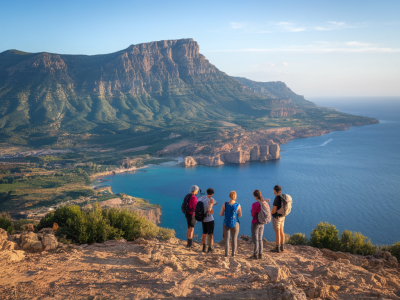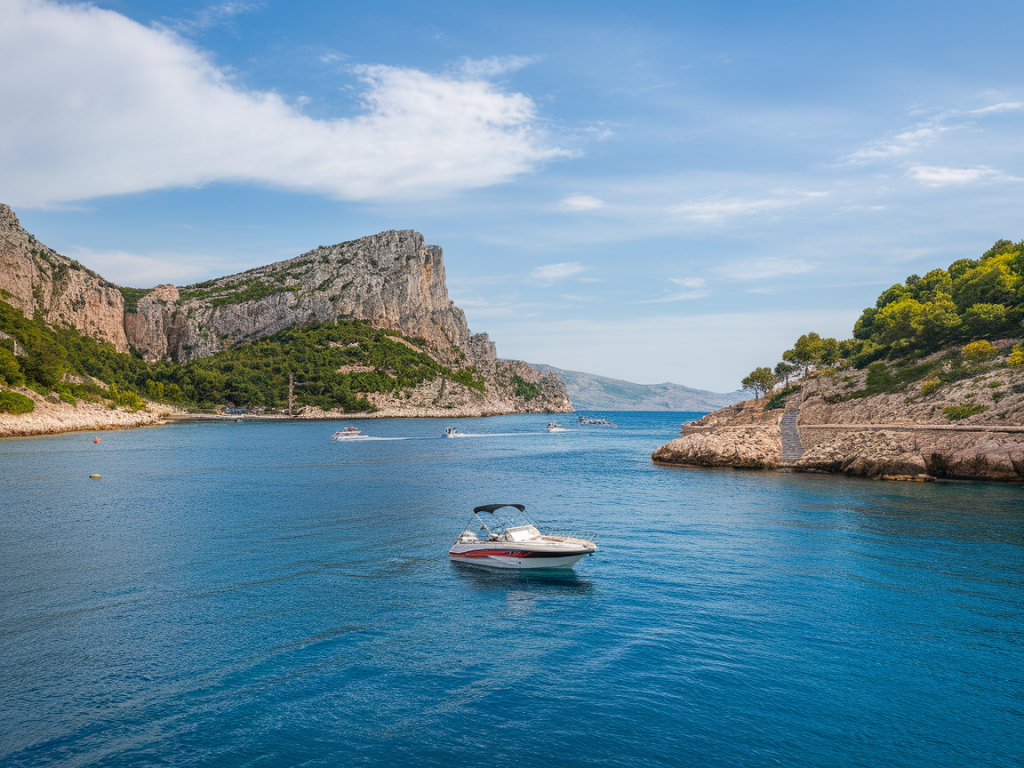
I’ve spent weeks island-hopping the Dalmatian coast, getting lost in Zagreb’s tram grid, and waiting out stormy afternoons in tiny konobas where the chef insists I try the house-made olive oil. Over time I’ve accumulated a set of conseils pratiques pour voyager en Croatie that keep trips smoother, cheaper and far more rewarding than a checklist of postcards. Below I share the mistakes I see travelers repeat and practical, on-the-ground advice so you can focus on what matters: people, food and places that linger in memory.
Early on, I found one single page that I kept returning to for practical tips — conseils pratiques pour voyager en Croatie — it’s the sort of short, useful post I recommend pairing with this deeper guide.
Why a local-minded approach matters
Croatia can feel compact on the map, but logistically it’s varied: islands, mountainous hinterland, long coastal roads and several border crossings. Overcrowded hotspots like Dubrovnik and Hvar get the attention, but the best experiences often come from shifting plans by a day or choosing a town on the edge of the main tourist circuit. I always try to think like a local traveler — slower, flexible and curious.
Common mistakes travelers make (and how I avoid them)
- Rushing the coast: People try to visit too many islands in too few days. Result: tired travel and missed moments. Solution: pick 1–3 islands or towns and linger.
- Ignoring ferry schedules: Ferries are seasonal and can be full; buying tickets last-minute or assuming frequent service leads to delays. I pre-book key crossings in high season.
- Counting only on credit cards: Many small restaurants, markets and parking meters prefer cash (kuna was replaced by euro in 2023 — keep some on you). I always carry small bills and confirm payment methods before ordering.
- Overlooking local etiquette: Loud behavior in villages, leaving litter on trails, or not dressing modestly in churches can offend. I observe locals and follow their cues.
- Ignoring public transit options: Renting a car might seem liberating, but driving and parking in old towns is a headache. I often mix trains, buses and ferries with short car hires for rural areas.
Practical planning tips before you go
- When to travel: May–June and Sept are my favorite months: warm water, fewer crowds, better prices. July–August is peak season with the highest prices and busiest ports.
- Passport, visa & health: EU/EEA and many passport-holders enter visa-free for short stays. If you need precise rules, check official guidance from the Croatian Ministry of Foreign and European Affairs or your government’s travel advisories (UK FCDO, US State Dept).
- Insurance: Take travel insurance with medical evacuation for remote islands. I use a policy that covers ferry cancellations and adventure activities like sea kayaking.
- Connectivity: eSIMs and local SIM cards are widely available. If you plan to work on the road, check mobile data speeds in smaller towns.
Packing smart: what I always bring
Packing for Croatia is about versatility — sun and sea, but also cobbles and short hikes. Here’s the checklist I use for most trips (table below):
| Category | Items |
|---|---|
| Clothes | Light layers, breathable shirts, swimsuit, sarong, a lightweight rain shell, comfortable walking shoes, sandals |
| Gear | Compact mirrorless camera, power bank, EU plug adapter, waterproof phone pouch, daypack |
| Documents & money | Passport, copies, insurance info, debit/credit card, small cash stash (euros), ferry printouts/tickets |
| Health & safety | Sunscreen, reef-safe if swimming near marine reserves, basic first-aid kit, insect repellent |
Getting around: ferries, buses, cars and trains
Croatia’s transport is a patchwork that rewards a little planning. Here are the practicalities I’ve learned:
- Ferries: Jadrolinija and other operators serve most island routes. In high season, book popular routes ahead (cars and foot passengers). Check timetables — some crossings run only a few times per day.
- Buses: Buses are reliable and often cheaper than trains. For coastal towns, buses connect places trains don’t. Websites like GetByBus and local bus company sites are helpful.
- Trains: Limited in coverage but scenic between Zagreb and coastal gateway towns. For long inland distances, trains can be comfortable and less stressful than driving.
- Driving: If you rent a car, prefer local companies for flexible pick-up/drop-off. Be aware of narrow coastal roads and steep parking in old towns.
Money matters and budgeting
Tourism numbers show Croatia is a top summer destination — which means prices surge in July–August. A few figures and habits I rely on:
- Average daily budget (approximate, mid-2020s): budget travelers ~€50–80, mid-range €100–200, luxury €250+. These vary by island and season.
- Many small businesses accept cards, but micro-markets, konobas and market stalls may prefer cash. I withdraw smaller amounts several times rather than carry large sums.
- Look for fixed-price daily menus (dnevni meni) at lunchtime in local restaurants for better value.
Eating, drinking and local habits
Food is one of the best reasons to travel to Croatia. My culinary tips:
- Order local fish on the coast, peka (slow-roasted meat/vegetables) inland, and try buzara (shellfish stew).
- Street food: snag burek for breakfast in cities like Zagreb and Rijeka.
- Tap water is generally safe — but when on islands check locally. I usually carry a refillable bottle with a filter for multi-day hikes.
- Tip modestly: 10% is common in tourist areas if service is good; leave small change elsewhere.
Respectful travel: sustainability and etiquette
As tourism rises (Croatia has received millions of visitors annually in recent years), local communities face pressure. I try to travel in ways that support rather than strain destinations:
- Hire local guides and eat at neighborhood restaurants rather than only international chains.
- Avoid single-use plastics: bring a refillable bottle and say no to unnecessary packaging.
- Stay on marked trails in national parks (Plitvice, Krka, Paklenica) to protect fragile ecosystems.
- Mind quiet hours in villages and historical centers — locals value calm evenings.
Safety, health and emergencies
Croatia is generally safe, but here are the practical precautions I keep top-of-mind:
- Emergency number: 112 for police, ambulance and fire.
- If you plan sea activities, always check weather and sea conditions locally — fast weather changes are common on the Adriatic.
- For medical care, larger towns have good clinics; for remote island visits, ensure your insurance covers medevac if needed.
- Check travel advisories before departure — government sites like travel.state.gov or your national embassy pages are the best sources.
Resources I use and recommend
- Croatian National Tourist Board — official info on events, parks and transit.
- Lonely Planet Croatia — practical tips and itineraries.
- Jadrolinija — main ferry operator; useful for schedules and bookings.
Quick checklist — avoid these mistakes
- Don’t assume island ferries run late into the evening in low season.
- Don’t leave reservations for Dubrovnik Old Town walking tours until the day of — they fill fast.
- Don’t expect uniform card acceptance everywhere — carry small cash.
- Don’t underestimate the sun — bring strong reef-safe sunscreen and a hat.
Statistics & trends (short outlook)
Tourism in Croatia has rebounded strongly after recent global slowdowns. While exact yearly numbers fluctuate, authorities report multi-million visitor seasons and steady growth in off-season tourism as travelers seek quieter experiences. For up-to-date statistics consult the Croatian Bureau of Statistics and the national tourist board (DZS, croatia.hr).