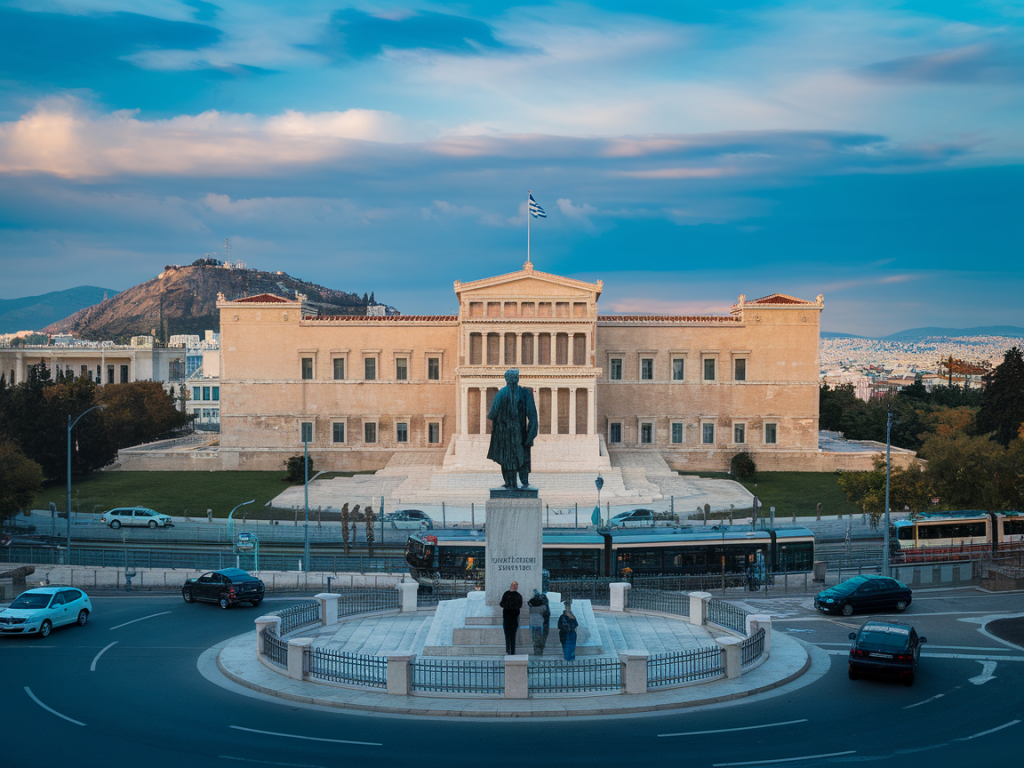
I arrived in Athens with a camera, an appetite for souvlaki and a long notebook of neighborhood names I’d scribbled after asking taxi drivers and baristas what “felt” safe. Over the years I’ve learned that conseils pour explorer Athènes en sécurité aren’t just about avoiding a list of streets — they’re about routines, reading the city’s rhythms and knowing where local knowledge matters. Below I share practical, lived advice to help you explore Athens confidently, plus the pockets I personally avoid (or approach with extra caution).
Why safety advice matters in Athens (and what the numbers say)
Athens is a relatively safe European capital for tourists, but like any large city it has specific hotspots for petty crime, occasional street disturbances and areas where services are limited at night. According to international data:
Numbeo’s 2025 crime index places Athens roughly in the mid-range for European capitals — higher than some Northern cities but lower than many megacities globally (Numbeo).UK Foreign Office and US State Department travel pages regularly highlight pickpocketing and street demonstrations as the main risks for visitors (UK FCDO, US State Dept).Athens Metro and tram statistics show that most incidents reported by foreign visitors are non-violent thefts; violent crime affecting tourists is comparatively rare.Numbers alone don’t capture nuance. My own walks reveal that a calm, prepared traveler rarely encounters trouble — but being informed makes the difference between an annoyingly disrupted day and a trip you’ll remember for the right reasons.
Key practical tips — my everyday checklist for exploring Athens safely
I carry a small list I call my “Athens essentials” whenever I leave the apartment. These are low-effort habits that cut risk dramatically:
Keep valuables out of sight: Use a money belt, inside zip, or an anti-theft crossbody bag. I rarely keep my passport in my pocket; a photocopy plus a digital photo on my phone works for most checks.Limit phone use on the street: Looking at your map while walking makes you a target. Stop under a shop awning or step into a café to reorient.Use licensed taxis and official apps: Call a registered company or use Bolt/Beat — both operate widely in Athens.Know emergency numbers: 112 (EU-wide), Greek police 100, ambulance 166. Save them in your phone and memorize one.Blend in on transit: During rush hour I avoid showing expensive camera gear openly; I keep my kit in a padded backpack under my arm.Areas to be cautious about (and why)
When people ask me “Which neighborhoods to avoid in Athens?” I answer: it depends on time of day and what you plan to do. A few areas deserve an extra layer of awareness.
Omonia (especially around the square): Once a cosmopolitan hub, Omonia has gone through cycles of decay and renewal. During the day it’s fine for transit, cheap eats and budget hotels; after midnight I generally avoid lingering alone near the main square due to higher rates of petty crime and visible homelessness.Exarchia: Famous for its anarchist history, Exarchia is a vibrant district of cafes, bookshops and street art. It can be very safe — until there are demonstrations. Protests sometimes turn confrontational and police operations have occurred here. I check local news and avoid the area during known demonstrations. For background see local reporting and updates (Ekathimerini).Kipseli and parts of Patissia: These residential areas are generally safe and authentic, but certain blocks can feel neglected after dark. Stick to main streets and well-lit routes if you’re exploring late.Piraeus at night: The port is busy and safe for daytime ferry transfers, but if you’re wandering outside the main harbor area late at night, take a taxi back rather than walk unfamiliar streets.How I read the street: signs that something’s off
Learning to sense when a place might be risky is part intuition, part situational awareness. Here’s what I watch for:
Groups of people behaving aggressively or loudly clustered by an ATM or subway entrance.Repeated attempts by street vendors or strangers to distract you — classic pickpocket technique.Police presence paired with crowds — that can indicate a protest or disturbance.Dark, empty side-streets at night with little foot traffic. I prefer routes with a steady stream of people, even if it’s slightly longer.Transport safety: metro, buses, trams and taxis
Public transit is a lifeline in Athens and generally safe, but follow these habits:
Validate tickets: Always validate your ticket — inspectors do run checks and fines are issued.Avoid empty trains late at night: Wait for the next train if the carriage is nearly empty and you’re alone.Use station exits with lighting and shops: I pick the busiest, well-lit exit rather than the one closest to my destination.Taxi tips: Prefer official taxis (black and white plates or rideshare apps). Confirm the route or ask for the meter to be used. For airport transfers consider pre-booking a reputable company.Money, cards and scams: how to protect your wallet
Petty theft is the most common complaint among visitors. A few tactics protect you:
Split cash and cards between two secure places (e.g., money belt + locked hotel safe).Use RFID-blocking sleeves if you’re worried about card skimming.Be wary of “friendly helpers” at ATMs — if anyone offers unsolicited help, decline politely and move to another machine inside a bank if possible.Typical scams include: overpriced unofficial tour offers, staged petitions to distract you, and distraction techniques on public transport. If something feels rehearsed, it probably is.Where I feel safest to stay and eat
For hotels and neighborhoods I personally recommend the following — they balance character with safety and convenience:
Plaka and Anafiotika: Tourist-heavy but pedestrian-friendly and picturesque; excellent for daytime photography and late dinners on quiet streets.Monastiraki: Great for markets and metro connections; keep an eye on pickpockets in crowded flea market spots.Koukaki: A lively residential area with cafes and tavernas; within walking distance of the Acropolis and usually calm at night.Kolonaki: Upscale, well-policed, with boutique hotels and safe nightlife options.For food: choose premises with visible staff, local clientele and reasonable hygiene scores. I frequently eat at small tavernas recommended by locals or my favorite guidebooks rather than the first shop on the main tourist drag.
Simple nighttime strategies I use
Share my live location with a trusted friend for longer evening walks.Avoid walking alone in unfamiliar neighborhoods after midnight; prefer a short taxi ride home.If a bar or club feels too crowded or aggressive, I leave — there’s always another place.Carry a small flashlight or use my phone’s light; dark alleys hide puddles and uneven sidewalks.Emergency and health tips
Health and quick local help are part of feeling secure:
Carry a small first-aid kit and any prescription meds in their original packaging.Locate the nearest hospital and pharmacy when you arrive — many pharmacies display an “on duty” rota at night.Travel insurance with medical evacuation and theft coverage is non-negotiable for me. Compare providers before you go.Table: Quick reference map — neighborhoods and recommended approach
| Neighborhood | Best time | My recommendation |
|---|
| Plaka | Day & evening | Great for strolling; watch for tourist-targeted vendors |
| Monastiraki | Daytime market; evening for dining | Use main squares; beware of pickpockets in crowds |
| Exarchia | Daytime cafes; avoid during protests | Check news; enjoy bookshops and street art otherwise |
| Omonia | Transit hub daytime | Use for connections; don’t linger after dark |
| Piraeus | Daytime port activity | Use port facilities; taxi back at night |
Local contacts and reliable info sources I check before exploring
When I plan a day’s route, I refresh a few trusted sources:
Local news outlets like Kathimerini and Ekathimerini for protests and transit strikes (Kathimerini).Government travel pages for safety advisories (UK FCDO).Community groups and expat forums for on-the-ground reports about neighborhoods and services.Resources and further reading
For the most up-to-date guidance I consult official advisories and local reporting. Below are resources I return to regularly:
Numbeo Athens crime index — https://www.numbeo.com/crime/in/AthensUK Foreign Office travel advice — https://www.gov.uk/foreign-travel-advice/greeceEkathimerini (English) — https://www.ekathimerini.com/If you want a compact primer before a day’s wandering, I wrote a focused piece with practical steps and a neighborhood checklist: conseils pour explorer Athènes en sécurité. It’s a short read that complements the longer notes here and includes a printable safety checklist for strolling through Athens’ busiest quarters.
Final on-the-ground habits I won’t travel without
My travel kit is minimal but chosen for safety-first urban exploration:
An unlocked smartphone with local SIM or eSIM for maps and emergency apps.An anti-theft backpack or crossbody bag that zips and locks.A compact mirrorless camera I can keep close to my body.Copies of important documents stored separately and encrypted backups in the cloud.These habits let me focus on what I love — the textures, smells and human rhythms of Athens — while minimizing the chance that something will derail the day.