I plan food crawls like I plan photo walks: with a mix of curiosity, logistics and a clear idea of light — in this case, the light is the time of day when each stall sings best. Hanoi’s street food scene is ideal for a cash-and-card split: some places are cash-only, others accept cards or mobile pay, and a handful fall somewhere in between. I’ve learned to map a crawl that blends both worlds while using xe ôm riders (motorbike taxis) to stitch neighborhoods together quickly and safely. Below I share a practical, bike-friendly route hitting five iconic stalls, along with the on-the-ground tips I rely on — from how to hail a reliable rider to whether to bring cash, cards, or both.
Why use xe ôm and how I choose riders
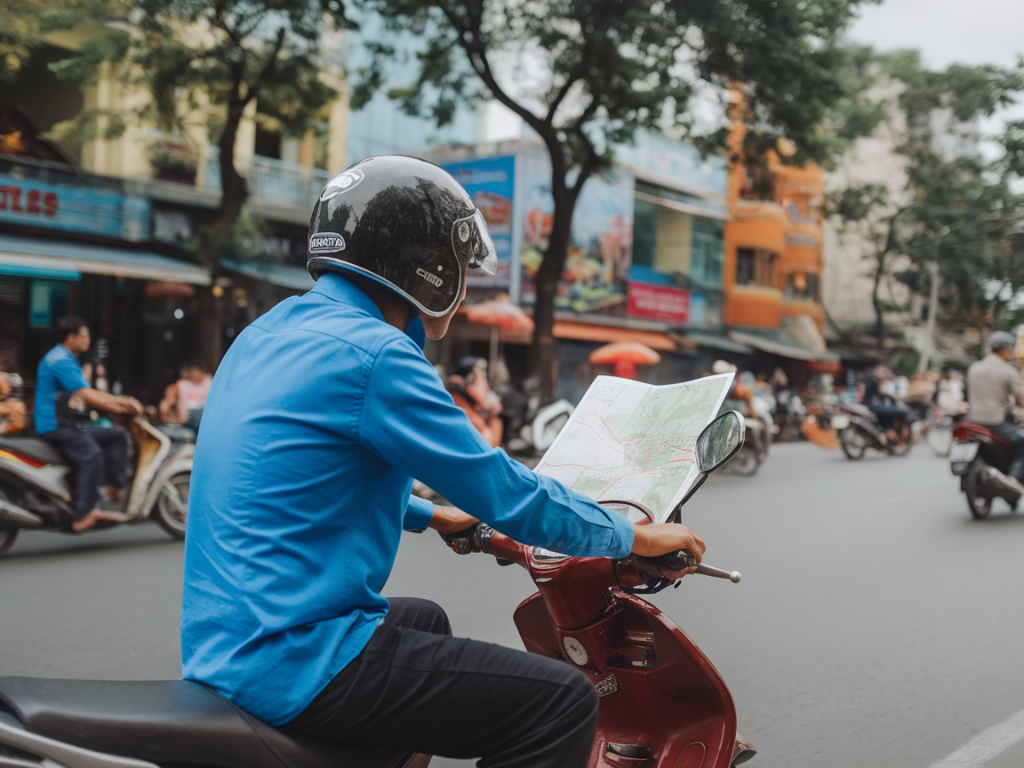
In Hanoi, xe ôm are more than transport — they become part of the day’s rhythm. They’re faster than walking, cheaper than taxis for short hops, and they know streets that don’t even appear correctly on maps. I use a mix of app-based services (GrabBike) and local riders I flag down near markets. Both have pros: GrabBike is convenient and cashless if you prefer; flagged riders are often cheaper and flexible about waiting while you eat.
My rider-selection checklist:
Mapping the route: five stalls across Old Quarter and around Hoan Kiem
This loop starts near Hoan Kiem Lake and keeps most rides under 10 minutes. It fits a long breakfast into late morning or a late-afternoon crawl that ends at sunset.
| Stop | Specialty | Address (local landmark) | Payment | Est. price per person | Hours |
|---|---|---|---|---|---|
| 1. Banh Cuon Gia Truyen | Bánh cuốn (steamed rice rolls) | Near Dong Xuan Market alley | Cash primary | 30–50k VND | 7:00–11:00 |
| 2. Pho Cuon & Egg Coffee stall | Pho cuon; egg coffee | Hidden lane off Ma May | Cash & mobile pay increasingly common | 40–70k VND | 9:00–18:00 |
| 3. Bun Cha roadside spot | Bún chả (grilled pork & noodles) | Near Hang Muc | Cash primarily | 60–120k VND | 11:00–14:00; 17:00–20:00 |
| 4. Cha Ca La Vong alley stall | Chả cá (turmeric fish) | Near Cha Ca La Vong street | Card accepted at some vendors; cash more common | 80–150k VND | 11:00–22:00 |
| 5. Bun Rieu / Banh Mi night stall | Bún riêu or bánh mì (depending on night) | Near Ta Hien beer street | Cash preferred | 30–60k VND | 18:00–02:00 |
How I plan cash vs card logistics
Hanoi is moving toward cashless, but street stalls are slower to adapt. My rule of thumb: carry enough cash for two stops plus a contingency, and keep a card for one or two pricier sit-downs or accidental overages. Practically that means I start with 500k VND in mixed notes (200k, 100k, 50k and 20k). That covers five decent portions and small purchases like bottled water, coffee or toppings.
Card tips:
Ordering and what to order at each stop
I prefer ordering for the full experience rather than modifying dishes. Here’s what I typically get and why:
Using xe ôm between stops: practical scripts and safety lines
Simple Vietnamese phrases help; I use them paired with quick gestures. Save these on your phone:
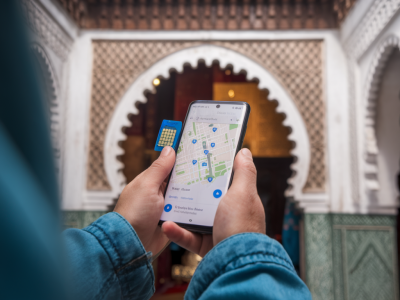
If using GrabBike, pin each stop before you leave the previous one. When flagging a rider on the street, I show the address on my phone and add “đợi” (wait) with a smile. Helmets: insist on one for both of you even if the rider seems casual — it’s non-negotiable for me.
Timing, crowds and photo tips
To avoid stalls that sell out, I aim early for bánh cuốn and mid-morning for pho cuon. Bun cha is best at lunch; cha ca is forgiving throughout the afternoon and evening. If you want street photography, shoot the stalls during golden hour when wet pavements and neon signs pop — ask permission before taking close portraits of stall owners; a small nod and a "cám ơn" (thank you) goes a long way.
Final practicalities I always note on my map
This kind of mapped crawl is about rhythm — quick rides, quick eats, and leaving room for delightful detours. When I publish the route on Acidadventure (https://www.acidadventure.com), I include a downloadable map with exact pins and a short audio note for each stop so you can hand it to a xe ôm rider. If you’d like that map or a custom crawl based on a different neighborhood, tell me which streets you love and I’ll sketch it out.