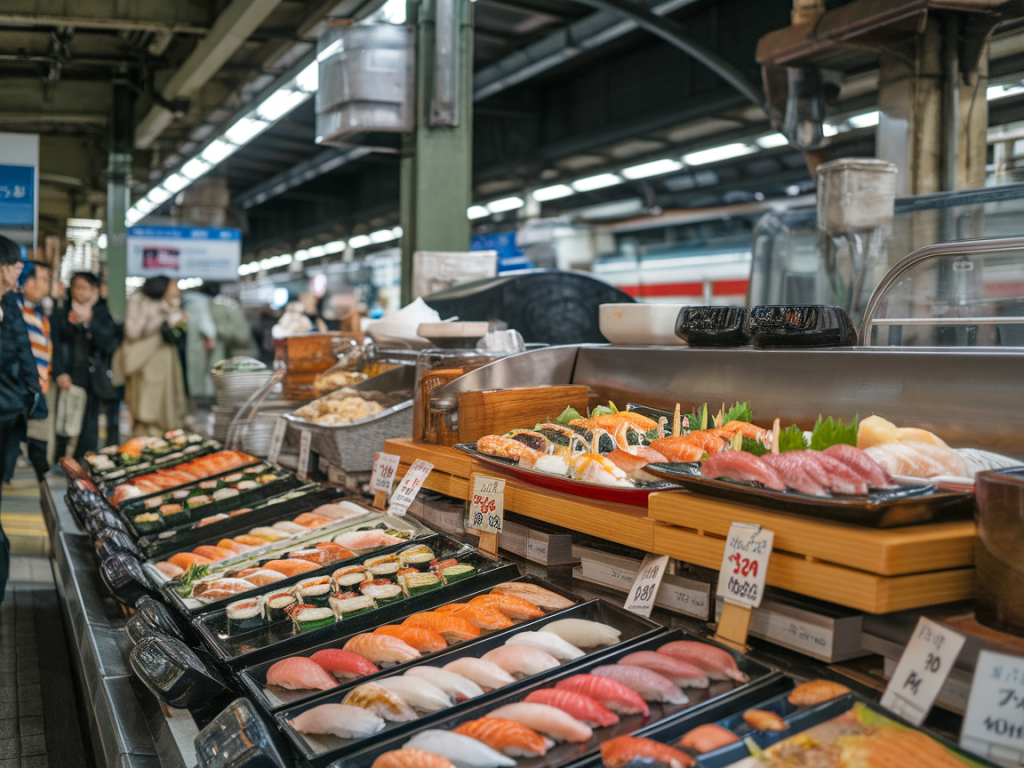
I learned to love depachika the way you fall for a complicated neighborhood: by wandering in without a plan, getting overwhelmed, and then finding the tiny rituals that make the place feel like home. Depachika — the basement food halls of Japan's department stores — are sensory feasts: crisp onigiri lined up like little boats, kinchaku bags of delicate wagashi, steam rising from oden bases and a chorus of polite staff calls. If you want to taste your way through Tokyo without getting swallowed by tourist traps, treating depachika as a stage for a slow, three-stop tasting route is one of my favorite strategies.
Why a three-stop depachika route works
Depachika are vast and purpose-built to seduce you into buying, so trying to "sample everything" is a mistake. A three-stop route lets you:
focus on quality over quantity,balance hot vs. cold and savory vs. sweet,move between counters without backtracking, andpractice depachika etiquette so staff and fellow shoppers enjoy the same calm atmosphere that I seek when I photograph morning markets or plan a food walk.Basic depachika etiquette to learn before you go
Before we get into the route, a short primer on manners will make the experience smoother for everyone. These are not rules to scare you, but small rituals that unlock better service and quieter aisles:
Don’t eat while walking: Most depachika discourage walking-and-eating. Find a small standing counter or a designated tasting area. In many department stores like Isetan or Takashimaya, there are benches near the food hall exits or the atrium where you can pause.Ask to sample politely: Not every stall offers samples, but many do. A soft “sumimasen, tabetemo ii desu ka?” (Excuse me, may I try?) works. A smile goes a long way.Bring cash and card: Most counters accept cards, but some artisan stalls prefer cash. Keep small bills handy for quick purchases and tip-free transactions — Japan’s culture doesn’t use tipping the way many tourists expect.Use the wrapping: Presentation matters. If your purchase is wrapped, accept it as part of the product. Items intended for immediate eating are often packed to be eaten now — if you’d like them packed differently, ask.Respect the queues: Lines form calmly and predictably. Join at the end and wait patiently.The three-stop tasting route I recommend
I plan my routes by balancing texture, temperature and the kind of place I want to support: an artisan specialist, a classic depachika legend, and a modern counter pushing playful flavors. Here’s a sample route centered around three Tokyo depachika hubs I visit often: Isetan Shinjuku, Mitsukoshi Ginza or Nihombashi, and Takashimaya Shinjuku (or their equivalents depending on where you are). In Tokyo, you’ll find similar counters in most major depachikas — adapt the stops to the closest department store.
| Stop | What to order | Why this stop | Price guide (JPY) |
|---|
| Artisan savory counter | Fresh yakitori or onigiri (salty, warm) | Start hot and savory — grounds your palate and gives you momentum | 300–800 |
| Depachika classic | Specialty bento or premium sushi from a long-standing vendor | See local craft and tradition; lower chance of tourist-focused gimmicks | 600–1,800 |
| Sweets & wagashi counter | Seasonal wagashi or matcha dorayaki (sweet, cool/room temp) | Finish with a delicate, textural contrast and a photo-friendly treat | 200–700 |
How I move between stops without getting distracted
Depachika are designed to distract. There are islands of pastries, towers of packaged ramune, and regional specialty kiosks. Here’s how I keep focused:
Decide the first stop before you enter: Pick the savory counter as your anchor. Once you have something in hand, staying on course is much easier.Use sightlines: I walk with the camera slung but tucked away, scanning for vendors whose queuing is mostly locals (a helpful clue). A stall with mostly office workers or a quiet line of elderly customers usually signals authenticity.Carry a small tote: If I buy a bento or boxed item that I’ll eat later, a flat tote keeps it upright and prevents impulse duplicates.What to order at each stop (practical suggestions)
Below are some items I repeatedly come back to and why they’re good choices for depachika tasting.
Stop 1 — Warm, savory anchor: Onigiri (try salted salmon or umeboshi), freshly grilled yakitori skewers, or oden cups. These are satisfying, portable and quick. If a vendor offers a small pairing (miso soup, pickles), I’ll add it to round out the taste.Stop 2 — Craft & tradition: Look for a long-established sushi counter or a regional bento maker. Pay attention to pristine rice and simple toppings — that restraint separates tourist kitsch from genuine craft. If the vendor is known for a seasonal fish or a house-marinated dish, choose that.Stop 3 — Sweet finale: Wagashi change with the seasons: sakura mochi in spring, kuri (chestnut) treats in autumn. Matcha dorayaki or a tiny anko-filled taiyaki are great for sharing. These sweets are often beautifully wrapped and light enough to finish your tasting without feeling weighed down.Timing, photos and how to behave with staff
I treat depachika like a photo walk: move quietly, notice the light, make room for staff who are packing delicate boxes. If I want a photo of a display, I ask quickly. Most vendors are used to tourists but appreciate concision. Avoid using flash — it can ruin the mood and the food presentation.
Best times: Weekday mornings or early afternoons are quieter. Weekend afternoons can get busy with families and package buyers, which affects your ability to linger.Handling staff interactions: Keep exchanges short and polite. A simple “arigatou gozaimasu” after a purchase is welcomed. If you want to know about ingredients or the story behind a product, vendors often love to share — ask gently and listen.Tips to avoid tourist traps in depachika
Not every shiny counter is worth your money. Here’s how I avoid the traps that lure so many curious travelers:
avoid large, flashy souvenir sections that sell mass-produced “Tokyo” sweets in bulk — these are designed for impulse buys;prioritize stalls with local clientele or those that have been open for decades — tradition is usually a sign of consistent craft;don’t be seduced by elaborate packaging alone — open displays or small plates on the counter that you can inspect are often better indicators of freshness;skip the biggest names if you can find a smaller maker doing the same thing better — regional artisans often outshine national brands in depachika.My three-stop depachika route is as much about restraint as it is about discovery. With practice you’ll learn the little signals — the quiet queues, the way staff wrap a rice ball, the seasonality of wagashi — that guide you to memorable bites rather than Instagram fodder. Bring curiosity, a small appetite and respect for the rhythms of these food halls, and you’ll leave with a few excellent tastes and a clearer sense of Tokyo’s understated food culture.