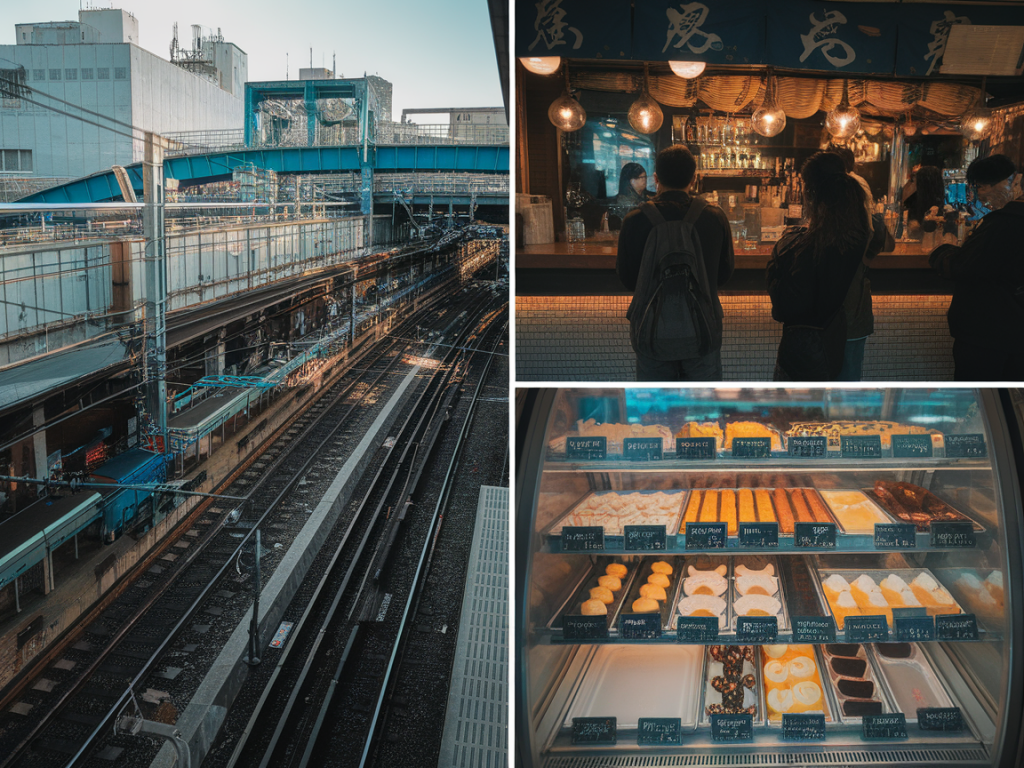
I spent a jam-packed day in Tokyo recently treating my Pasmo and Suica cards like two tiny passports, hopping between department store basements (depachika) for carefully wrapped snacks and tiny feasts, then ducking into the hidden standing bars (tachinomiya) that sit tucked under train lines or down narrow alleys. If you want a day that mixes sensory exploration with efficient city travel, here’s a practical, photo-ready itinerary and the travel tips I learned along the way.
Why use Pasmo and Suica — and how they work together
Pasmo and Suica are both rechargeable IC cards used across Tokyo’s trains, subways, buses and many shops. Pasmo is issued by private rail and bus operators; Suica by JR East. For practical use they’re interchangeable — you can tap either at ticket gates or on a vending machine and they’ll work the same. I carry both because I started the day with Suica in the JR machines and topped up a Pasmo at a private railway kiosk mid-afternoon, but most people can get by with just one.
Here are the essentials:
How I planned the day — logistics and timing
I wanted an itinerary that balanced indulgent sampling with moving efficiently across neighborhoods before the evening crowd took over standing bars. This is the framework I used; adjust to your pace.
| Time | Location | Activity | Notes |
|---|---|---|---|
| 9:30–11:00 | Shinjuku depachika (Takashimaya/Lumine) | Breakfast sweets & coffee | Try freshly made dorayaki or a boxed tamagoyaki |
| 11:30–13:00 | Ginza depachika (Mitsukoshi) | Seafood bento sampling | Look for single-portion sashimi bento for a photogenic lunch |
| 14:00–15:30 | Asakusa | Snack crawl: ningyo-yaki, melonpan | Walk Senso-ji approach then slip into a small café |
| 17:30–late | Shibuya/Ikebukuro standing bars | Evening tachinomiya hop | Order a couple of small plates and local beers/sours |
Depachika: how to eat like a local without breaking a stride
Depachika are sensory overload in the best possible way: rows of neatly labeled boxes, a chorus of staff calling out recommendations, and perfect portions meant to be eaten right away. My golden rules:
Personal favorites to try: castella or dorayaki for breakfast, a uni or toro nigiri for midmorning splurge, and a seasonal wagashi (Japanese sweet) with green tea to reset your palate.
Standing bars (tachinomiya): rules of thumb
Tachinomiya are where the city’s efficient, convivial night life comes alive. They’re not tourist traps — locals stop in for a quick drink and a plate before heading home. I quickly learned the etiquette:
One trick: ask the bartender what’s ready to eat now. You’ll get the freshest items and often a recommendation the menu doesn’t advertise.
Navigation tips: apps, gates, transfers
Google Maps works fine for most routes but I cross-check with Japan Travel by Navitime when track changes or platform transfers matter. Where I saved time:
Budget and sample spends
This kind of day can be done on different budgets. Below is how I spent (mid-range):
Total realistic range: 10,000–15,000 JPY for a full, comfortable day of tasting and drinking.
Photo tips for depachika and bars
I shoot with a compact mirrorless camera and look for soft side light to reveal texture — perfect for shiny eel or the grain of a wooden counter at a standing bar. Quick pointers:
Practical dos and don’ts I stick to
If you want, I can map a specific route for you (Shinjuku-to-Ginza-to-Asakusa-to-Shibuya) with exact station exits, depachika stalls I recommend, and tachinomiya keys — plus photo locations for golden hour. Send me the date or neighborhood you’ll be in and I’ll tailor a compact walking-and-ride route to make the most of your Pasmo/Suica day.