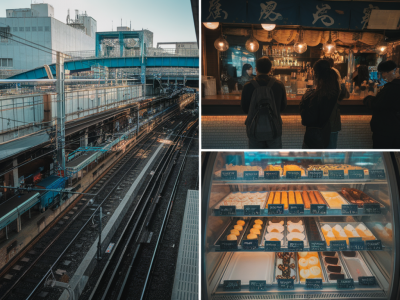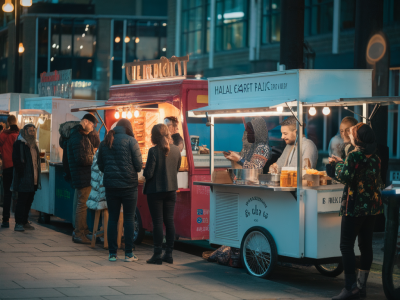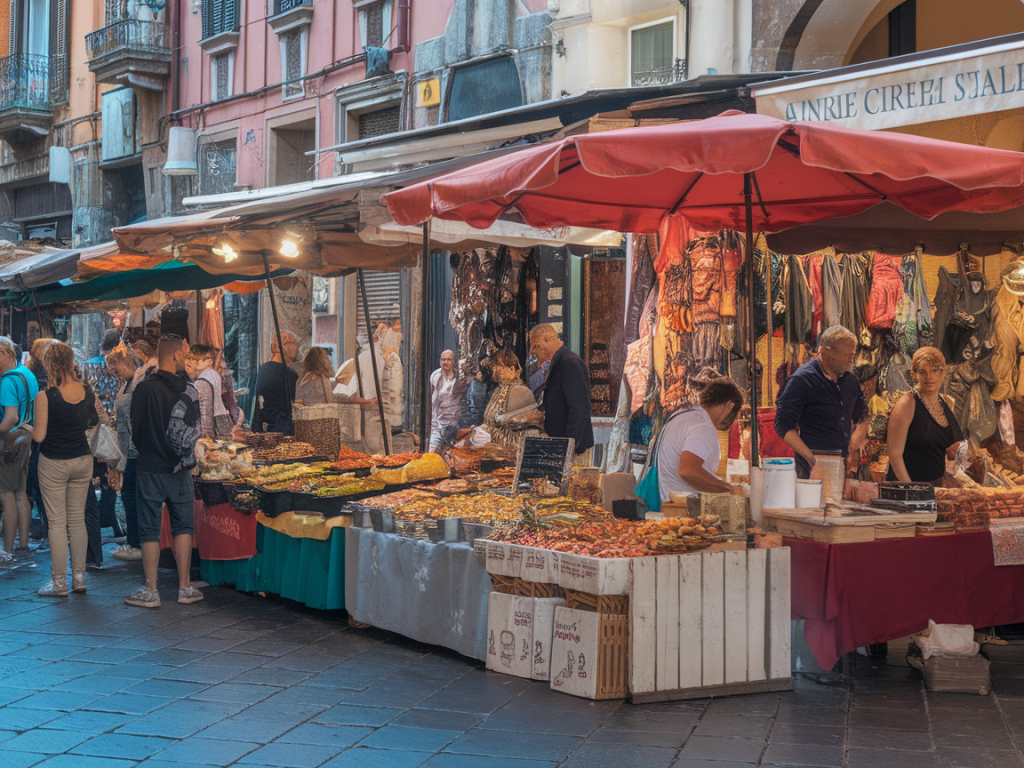
I arrive before the market peaks, when the air still holds a hint of the sea and the stalls are lined in careful geometry: fish on crushed ice, pyramids of ripe tomatoes, basil leaves like tiny green flags. If you have only two hours to spare at Porta Nolana, you can taste, photograph and shop with intention—no tourist checklist, just a sensory route that lets you feel how Neapolitans feed themselves. Below is the route I follow, honed over multiple mornings of wandering with a compact mirrorless camera and an appetite for small discoveries.
Why two hours — and when to go
Two hours is enough to move at a slow-but-focused pace: see the highlights, sample a few things, and leave with groceries or gifts without feeling rushed. Aim for early morning (8:00–10:00) on weekdays to catch the freshest seafood and the rhythm of vendors setting up. Saturdays are liveliest but more crowded; Sunday mornings many stalls close. If you're photographing, shoot golden hour light spilling into the lanes around 7:30–8:30 in summer, or arrive just after sunrise in winter for the crisp contrasts I love to capture.
What to bring
a compact camera or smartphone with manual exposure options (I use a mirrorless Fujifilm X-series)comfortable shoes—cobblestones and slick fish scalesa small tote or insulated bag for purchasescash in small bills and coins (many stalls are cash-first)hand sanitizer and a cloth napkina tasting budget—expect to spend €8–20 if you sample several items and buy one or two things to take awayQuick sensory checklist (what I watch for)
| Sight | glossy sardines, candied fruit, wrinkled lemons, hand-lettered price signs |
| Sound | vendors calling prices, knives chopping, espresso shots pulling from nearby cafés |
| Smell | brine and citrus, frying oil, roasted coffee |
| Touch | cool fish skin, warm focaccia crust, the grain of wooden crates |
| Taste | salted anchovy, sweet sfogliatella, punchy buffalo ricotta |
Two-hour sensory route through Mercato di Porta Nolana
Start at the main entrance near Piazza Nolana so you can orient yourself by the church bell tower. I time the route in rough 15–25 minute blocks that allow for buying, tasting, and photographing without interrupting the vendors.
Minute 0–15: Walk the spine and listen
Enter and walk the main aisle slowly. Stand for a moment to listen—the cadence of calls and the clink of scales. This is when you pick up visual cues for later: a stall with an interesting display, a vendor with a friendly demeanor, or a corner where warm light hits a stack of lemons.Photographer’s note: use a 35mm-equivalent focal length to capture context shots of the market lanes. I shoot verticals of the aisle and close-ups of hands weighing produce.Minute 15–35: Fish stalls — observe, ask, taste
Move toward the fish section. Ask for the catch-of-the-day—try a simple taste if a vendor offers fried anchovies or marinated octopus. Many fishermen’s families run these stalls and are proud to explain how things are sourced; a short question in Italian or a smile goes a long way.Taste tip: if you see polpo (octopus) cooked and sliced, it’s usually seasoned simply with lemon and olive oil—perfect for a quick bite.Photo tip: low-angle shots work well here; crouch so the ice and fish form foreground texture. Use a fast shutter (1/250s) to freeze a vendor’s hands in motion.Minute 35–55: Produce and herbs — colors and scent
Next, glide into the vegetable stalls. Naples’ tomatoes are luminous; look for San Marzano types for deep flavor. Pick up basil bunches and crush a leaf for the aroma—this is your olfactory anchor for the market.Buy a couple of small items to take with you—just one tomato and a handful of basil turns a street-food impromptu snack into something local. Vendors often weigh in grams; ask for “due pomodori” or “un mazzetto di basilico.”Minute 55–75: Street-food interlude — sit and taste
Head to a fried-food corner—Friggitoria Da Gennaro or a similar hole-in-the-wall is typical around Porta Nolana. Order a crocchè (potato croquette), zeppoline (savoury dough balls), and a sfogliatella if you crave something sweet. These fried bites are the market’s heartbeat.Eating etiquette: stand near the counter or at a high table. Locals eat fast and chat faster—strike up a conversation if someone compliments your choice.Photo tip: capture the steam and oil sheen at 1/125s; shoot with a slightly higher ISO if lighting is low to preserve natural motion.Minute 75–95: Cheese, cured meats and curious larder items
Seek out a table selling local cheeses—look for fiordilatte and small wheels of pecorino. Buffalo mozzarella may be available, but for that true Campanian signature, ask for fresh mozzarella di bufala and squeeze to check the yielding texture.Buy a small wedge or a packaged bocconcini to take away. Vendors will often wrap cheeses in paper and string—charming and waste-light.Minute 95–120: Sweets, pantry buys and the eventual exit
Finish at the sweet stalls: taralli, candied fruit, and jars of local preserves. I always pick a small jar of nduja or a citrus preserve to remind me of the morning. If you want a pure souvenir, sfogliatella from a nearby pastry stand wrapped to go is unbeatable.As you leave, loop back to any stall that called to you earlier. Vendors appreciate repeat customers; you might be offered a small extra sample when they remember your face.Buying and bargaining — practical etiquette
Porta Nolana isn’t a tourist bazaar—prices for locals are often fixed and fair. Bargaining is modest: you can ask for a better price if you’re buying several items or if produce needs slight trimming. Use polite phrases: “Quanto costa?” (How much?) and “Può farmi un prezzo per favore?” (Can you give me a price, please?). Smile, taste, and be ready to pay cash.
Photo-friendly permissions and conduct
Ask before photographing close-ups of people. Most vendors are used to being photographed and enjoy the attention if you show them the resulting image on your camera—this often earns you a wink or an extra olive. Avoid disrupting queues or touching produce without permission. I keep a small notebook for vendor names and anecdotes; these human details enrich captions later.
What to bring home
fresh mozzarella (consume the same day)a jar of preserve or candied citrusa small bag of taralli or local biscuitsif you have a way to refrigerate, a portion of freshly caught fish—ask the vendor to gut and wrap it for travelTwo hours is a generous sprint: enough time to taste, photograph and bring home a handful of real Neapolitan flavors. Take the route slowly where it matters—by the fish counters, under the awnings, at the hot fryers—and let the market’s layered sounds and smells set the pace. If you want, I can tailor this route for a specific time of year or dietary preference—drop me a note through Acidadventure’s contact page and I’ll sketch a version tuned to your tastes.