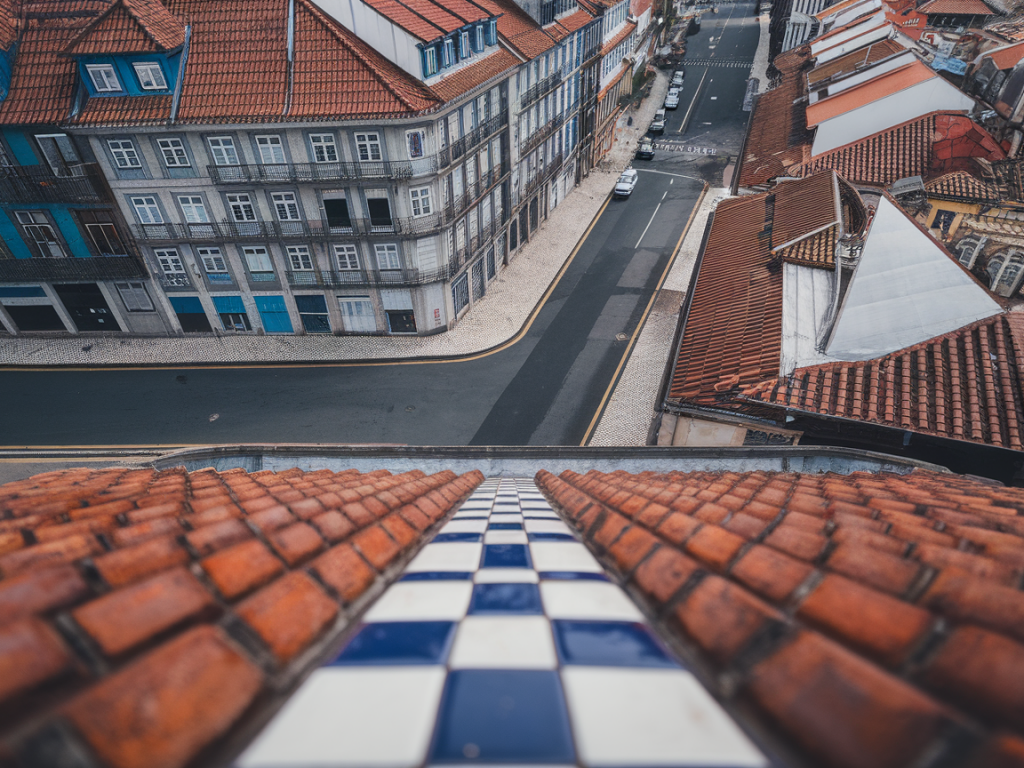
I love Porto’s Ribeira for the way the neighborhood holds layers of time: faded azulejos, leaning façades, laundry lines, and small doorways that hint at whole lives inside. If you want to photograph tile details without the usual cruise-ship crowds, a focused two-hour walk—planned like a little mission—works brilliantly. Below I outline how I plan and execute a photo-led walk that prioritizes tiles, texture, and calm light so you can make the most of a short window in one of the city’s most photographed quarters.
Why two hours, and why Ribeira?
Two hours is long enough to dive into small streets, frame details, and try a few angles without getting tired or rushed. Ribeira is compact—perfect for a slow, concentrated exploration—and its tiles are everywhere: heroic panels, patched repairs, tiny motifs at eye level. The trick is timing and route: aim for low foot traffic, soft directional light, and a few reliable micro-locations where tiles tell stories.
Best time to go
- Early morning, 7:00–9:00: This is my first choice. The light is golden, the cafés are just firing up, and delivery carts move through quieter streets. Weekdays are better than weekends if you can choose.
- Blue hour / pre-dawn: If you’re after moodier shots and empty promenades, start before sunrise. You’ll get cool tones and dramatic contrasts on wet cobbles if it’s rained the night before.
- Overcast late morning: For even, soft light that reduces contrast on glazed tiles, an overcast late-morning walk (9:30–11:30) can be lovely, though there’s slightly more foot traffic then.
Gear I bring for detail work
- Compact mirrorless camera: I usually use a Sony a6400 or Fujifilm X-S10 — light enough to carry and excellent for close detail.
- Lens: A 35mm or 50mm prime for street-level context, plus a 90–105mm macro/tele for tight tile details. If you prefer one lens, a 35mm with close-focusing ability covers most needs.
- Small tripod or gorillapod: Optional but useful for low-light blue-hour shots and for precisely framing tiles on uneven sidewalks.
- Polarizer: Great for reducing reflections on glossy tiles and adding saturation to glazed blues and greens.
- Spare battery and an SD card: Two hours of shooting can be deceptively battery-hungry, especially in cold mornings.
- Comfortable shoes and a lightweight waterproof jacket: You’ll crouch and step close; comfort matters.
How I plan the route (map, pacing and micro-stops)
I lay out a short route on my phone that forms a small loop so I’m not doubling back through crowds. Here’s a simple, replicable route that keeps walking time to a minimum and shooting time high:
- Start at Praça da Ribeira (arrive early), head west along the waterfront for one block, then cut inland through Rua de São João.
- Turn onto Escadas da Fontinha and take the narrow lanes above the quay—these alleys have small house-front tiles and unexpected compositions.
- Drop down toward Rua da Fonte Taurina for alleyway tiles and textured plaster.
- Finish by circling back through the top streets (near Miradouro da Vitória) for a skyline tile + azulejo combo shot.
Pace: plan roughly 10–15 minutes of walking between micro-stops and allow 8–20 minutes per tile cluster to try multiple compositions, angles, and focal lengths.
What to look for and how to frame tile details
- Edges and repairs: Chips, mismatched replacements and mortar tell stories. I frame the border between old and new to capture time in a single frame.
- Scale hints: Include a sliver of a doorway, a knob, or a handrail to show tile scale. A shallow depth-of-field lets tiles pop while context blurs softly.
- Reflections: After rain, tiles take on beautiful mirrored highlights. Use a polarizer with caution—sometimes reflections are what make the image.
- Patterns and repetition: Look for interrupted patterns (a single broken tile) rather than perfect repetition; those interruptions make stronger photos.
- Color overlaps: Seek tiles that sit against contrasting surfaces (peeling paint, rusty metal) to emphasize hue and texture.
Camera settings I use
- Aperture: For tight detail: f/4–f/8. For context shots including environment: f/5.6–f/11.
- Shutter speed: Keep above 1/125 if handheld and you’re zooming. Use a tripod for slower shutter speeds at blue hour.
- ISO: Keep it low (100–400) for the cleanest tiles. Don’t be afraid to raise ISO slightly for crisp textures if you need handholding.
- Focus: Use single-point AF for very specific tile details. For pattern shots, focus roughly a third into the frame to maximize perceived sharpness.
- White balance: Auto is fine; for consistency, pick a Kelvin temperature (around 5200K in morning light) and stick with it.
Politeness and etiquette while shooting
- Ribeira is residential. I avoid blocking doorways or lingering on stoops where people come and go.
- Ask permission if you want a portrait with someone’s doorway, and be ready to show them the image on your screen.
- Keep voice levels down so early-morning locals aren’t disturbed—this also keeps your concentration.
- Avoid using flash on doorways; it can be startling and unnecessary for tile details.
Quick editing tips on the go
I typically do a light edit on my phone (Snapseed or Lightroom Mobile) if I want a preview or to post to social. My basic recipe:
- Crop tightly to emphasize pattern and remove distractions.
- Increase structure + clarity modestly to bring out grout and crack detail.
- Adjust shadows slightly to recover texture without flattening glaze highlights.
- Slight vibrance boost for azulejos; keep saturation conservative to avoid unrealistic colors.
Mini checklist
| Time | Early morning (7:00–9:00) or pre-dawn |
| Gear | Mirrorless + 35/50mm, tele/macro, polarizer, spare battery |
| Route | Waterfront → Rua de São João → Escadas da Fontinha → Rua da Fonte Taurina → Miradouro da Vitória |
| Focus | Texture, repairs, edge details, reflections |
If you follow this plan, you’ll walk away with a small portfolio of tile studies that feel intentional and personal rather than the usual postcard shots. Ribeira reveals itself best when you move slowly, listen for the creak of shutters, and let your eye settle on imperfections—they’re the true decorations of the city. If you’d like, I can draw a printable map of the exact alleys I use or suggest a two-hour combo walk that pairs tiles with street-food bites nearby.