I wake up in Budapest with a soft plan: take one full day to sink into the VII and VIII districts, to move slowly from courtyard to courtyard and let the ruin bars reveal themselves between clinking glasses and trailing jasmine. This is not a rush through must-sees — it's a gentle 24-hour neighborhood exploration that blends daylight discoveries (hidden courtyards, market corners, bakery counters) with dusk and late-night moments in the city's famed ruin bars. Below is the route I follow when I want to know a place by its alleys, its smells and its people.
Why a slow 24-hour plan?
People ask me: “Why 24 hours? Why slow?” Because Budapest's ruin bar culture isn’t just about nightlife; it’s about the layered architecture of abandoned buildings, the courtyard communities that gather for tea or flea-market mornings, and the textures that only show up if you linger — the way sunlight slants through grated stairwells, the postcards stuck to a bar's corkboard, the way a vendor folds lángos dough. A slow plan lets you move with the neighborhood rhythm rather than against it.
Practical essentials before you go
- Getting there: Center yourself in the Jewish Quarter (District VII) — the easiest way is the M3 metro to Deák Ferenc tér or a tram ride along Ráday utca for District VIII approaches. Budapest is compact and walkable; I prefer walking to short tram hops so I notice façades and courtyards.
- Money and opening hours: Most ruin bars accept cards but keep some cash for small market stalls or vintage shops. Courtyards and markets are most lively 10:00–18:00; bars open in the late afternoon and buzz from 21:00 onward.
- Photography kit: I shoot with a compact mirrorless camera and bring a 35mm or 28mm prime for street details and a 50mm for portraits. In low light bars, use a fast lens (f/1.8 or faster) and bump ISO around 1600–3200 if needed. Don’t forget a small, logbook-style notebook for names, vendors and scent notes.
- Safety and etiquette: Be mindful in intimate courtyard settings — ask before photographing people close-up. In bars, respect table culture: many venues have limited seating, so take your time but be prepared to share communal tables.
Morning: Courtyard hunting and market snacks
I begin near Kazinczy utca, circling inside the Jewish Quarter for a dose of tucked-away courtyards. Early is the best time: cleaner light, fewer people, and shopkeepers sweeping thresholds. Walk slowly, duck through archways and peek into residential courtyards — many hide murals, tiny community gardens or a café with a single outdoor table.
By 10:30, I make my way to the Ráday Street market (or any local farmer’s stall if you find one). Here’s what to try and why:
- Lángos — fried dough with sour cream and cheese is a must for the experience (try garlic butter if you like savoury).
- Local pastries — grab a túrós batyu (sweet cottage cheese pastry) with espresso; it’s portable and perfect for walking.
- Street coffee — a small espresso or sieded press coffee from a corner café fuels courtyard exploration and doubles as a people-watching station.
Midday: Museums, secondhand stores and hidden courtyards
Late morning into early afternoon I drift toward secondhand bookstores and vintage shops. The VII district is generous with bookshops that tuck into inner courtyards; few things beat a sunlit stairwell scattered with used paperbacks. Pop into smaller museums if you like — they often hold neighborhood archives and maps that tell the story of how these ruin buildings were repurposed.
Lunch is slow. I look for a small bistro that serves goulash soup in a bowl or a plate of seasonal vegetables with paprika. If you want a lighter option, try a street-food stall selling fresh salads or grilled halloumi. Sitting in a courtyard, I listen: a child chatting in Hungarian, a radio playing an old song, the clink of cups. These are the textures I note for future photo essays.
Afternoon: Rest, roam, rooftop scouts
Afternoons are for midday light and scouting for evening rooftops. Ruin bars change dramatically after dark, so I take this time to look for vantage points where I want to photograph the transition from day to night. Many buildings offer rooftop bars or terraces — check access in advance. If rooftops are closed for private events, find a high café or a public bridge with a good view of the sun sinking behind the Danube.
Alternative slow activity: join a craft workshop (ceramics, printmaking or even a short market cooking demo) if you want a hands-on memory from the neighborhood. These activities help you connect with local makers and sometimes end with the best photo ops — flour-dusted hands shaping dough or a potter’s wheel at golden hour.
Dusk into evening: The transformation into ruin bars
Ruin bars are atmospheric because they repurpose decaying urban spaces into communal living rooms. Around 19:00–21:00 I position myself near Szimpla Kert (the iconic ruin bar) or one of the smaller, less crowded venues like Fogasház or Kuplung. The question people ask is: “Which ruin bar is right for me?” My answer: choose by vibe.
- Szimpla Kert — touristy but essential for first-timers; great for people-watching and quirky décor.
- Fogasház — more local, often hosts live acts or flea markets in the courtyard.
- Kuplung — calmer, good for drinks and conversation with a courtyard atmosphere.
Order a local beer (Dreher or Soproni) or try a mixed drink with pálinka if you’re curious about Hungarian spirits. If you’re hungry, many ruin bars have food trucks or small kitchens offering hearty, late-night plates — try a smoked sausage or a plate of pickled salads.
Night: How to photograph and behave in ruin bars
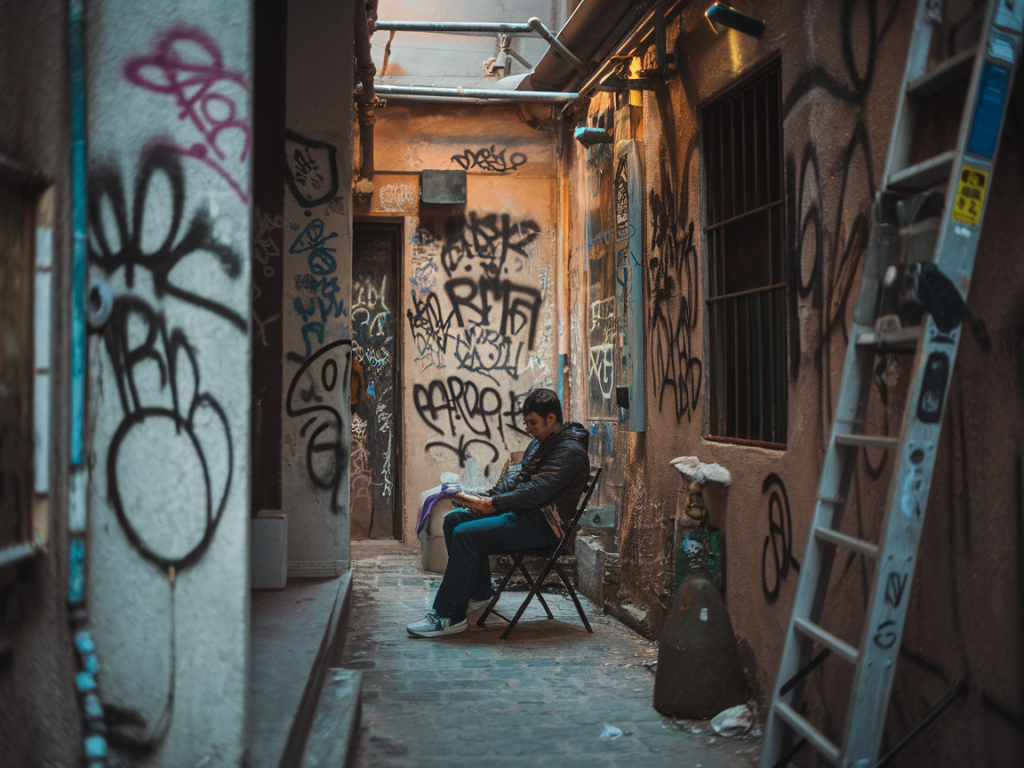
Night photography in ruin bars is about mood more than technical perfection. Use a fast lens (35mm f/1.8 is my go-to), set a higher ISO and aim for isolated moments: a hand holding a beer, a string of lights, an old armchair against a graffitied wall. If you want portraits, ask first — most people are happy to pose if you show them the photo afterwards.
Etiquette tips: keep your voice moderate in intimate spaces, ask before sitting at someone's table, and tip if you can. These bars double as community hubs; their survival depends on mutual respect.
Late night to early morning: Quiet courtyards and after-hours walks
After midnight the crowds thin. I often do a slow walk back through the quarter, noticing how the same courtyard looks different under sodium lamps: deeper shadows, neon reflections on wet cobblestones, the occasional stray cat. If you’re up for it, stop at a 24-hour bakery for fresh bread and watch dawn return the neighborhood to its daytime routines.
| Time | Activity | Budget (approx.) |
|---|---|---|
| 08:30–11:00 | Courtyard walk + market snack | €5–10 |
| 11:00–14:00 | Vintage shops + lunch | €10–20 |
| 14:00–18:00 | Rooftop scout + rest | €0–10 |
| 19:00–23:00 | Ruin bars + dinner | €15–30 |
| 23:00–02:00 | Night photos + late snack | €5–10 |
Common questions I get from readers
- Are ruin bars safe? Yes — generally lively and friendly. Use usual urban caution at night and keep an eye on belongings in crowded areas.
- Can I visit courtyards freely? Many courtyards are semi-public; respect private signs and resident notices. If a courtyard has a café or shop, buy something small if you plan to linger.
- Is English widely spoken? Yes in tourist areas and among younger staff. Learning a few phrases in Hungarian (köszönöm = thank you; egy sört = a beer) goes a long way.
- What should I wear? Comfortable shoes for cobbles, a light jacket for night, and a small crossbody bag for essentials. If you plan rooftops, bring layers — wind picks up after sunset.
This 24-hour loop is less an itinerary than an invitation: to slow your steps, to take portraits of textures instead of people, to taste small bites and note where the light pools inside a courtyard. Budapest’s ruin bars and hidden courtyards reward patience. Move slowly, listen, and you’ll leave with a day’s worth of stories and a camera full of tiny neighborhoods moments.