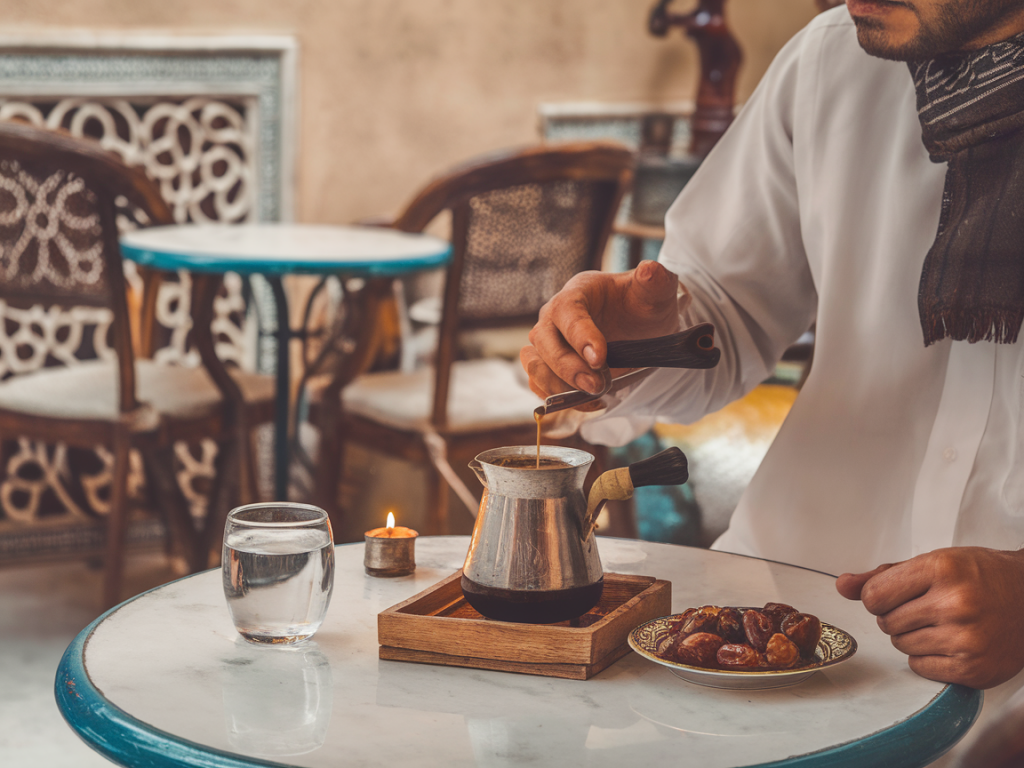
When I want to understand a city, I follow its coffee — the cups, the steam, the tiny rituals that say more about a place than a guidebook ever will. In Tunis, that means tracing a line from the sun-baked terraces of Sidi Bou Said down into the labyrinth of the medina, listening to the different tempos of coffee culture: the slow, social pour of a traditional qahwa, the brisk bark of an espresso machine, and the improvisations of street vendors who heat water over coals. If you’re curious about where to learn these rituals and which cafés will actually welcome a stranger, here’s what I’ve learned by wandering, asking, and sitting for longer than I probably should.
Where the rituals live: neighborhoods and places to start
Start in three complementary zones:
Which cafés welcome strangers (and why)
From experience, the cafés that accept strangers graciously fall into two categories: places that have always served travelers, and newer spots run by baristas who enjoy teaching. Here are a few I return to and recommend:
| Café | Neighborhood | What to expect |
|---|---|---|
| Café des Délices | Sidi Bou Said | Terrace views, polite servers, mixes of locals and visitors. Great for watching terrace coffee rituals and asking politely about preparation. |
| Dar Zarrouk (terrace) | Sidi Bou Said | More of a restaurant/café hybrid; staff are used to questions from guests and will explain local serving customs if you ask. |
| Small medina cafés near Bab el-Bhar | Medina | Very local, often family-run. You’ll learn the no-frills way coffee is drunk day-to-day. Best approached with a smile and at least one attempted Arabic greeting. |
| Independent espresso bars | City center | Baristas often speak some English/French and enjoy discussing beans, roasting, and preparation. |
Note: names and atmospheres change over time — Tunis is dynamic. If you’re unsure, ask a local shopkeeper for a café where “people sit and chat” (in French: “un café où on discute”) — that phrase tends to point you toward the welcoming spots.
How to approach a café and what to order
When you walk into a Tunisian café, humility and curiosity go further than perfect Arabic. Greet with “As-salāmu ʿalaykum” or a simple “Bonjour” to break the ice. If you’re sitting at a terrace, wait to be shown a seat at busier places — but in small neighborhood cafés, choose any free table.
Tip: if you want to watch preparation, say “Can I watch?” or ask for “un café préparé ici” at the counter. Most baristas are delighted to demonstrate their technique — and if they’re not, a polite curiosity still opens conversation.
Learning the rituals: workshops, baristas and cultural centers
If you want deeper instruction than watching from a terrace, try these approaches:
Etiquette, gestures and what not to do
Learning a ritual is partly about watching what locals do and partly about not breaking the rhythm. A few notes that will save you awkwardness:
Costs, timing and practical tips
Prices are modest compared with European capitals. Expect to pay a euro or two for a basic coffee in most medina cafés; Sidi Bou Said terraces charge more for the view. Cafés are busiest in the late morning and early evening — those are the best times to observe local rhythms. If you want instruction, late morning when the day is calm is ideal to ask questions without interrupting evening social life.
Finally, don’t forget that coffee culture in Tunis is social and variable — some days you’ll find long discussions about politics and football at the corner table; other times, the ritual will be intimate and quick. The best way to learn is to sit, listen, and let the cup teach you. If you’d like, I can recommend a short walking route through the medina that stops at three cafés where I’ve sat and learned most — send me the dates you’ll be in Tunis and I’ll draft it for you.