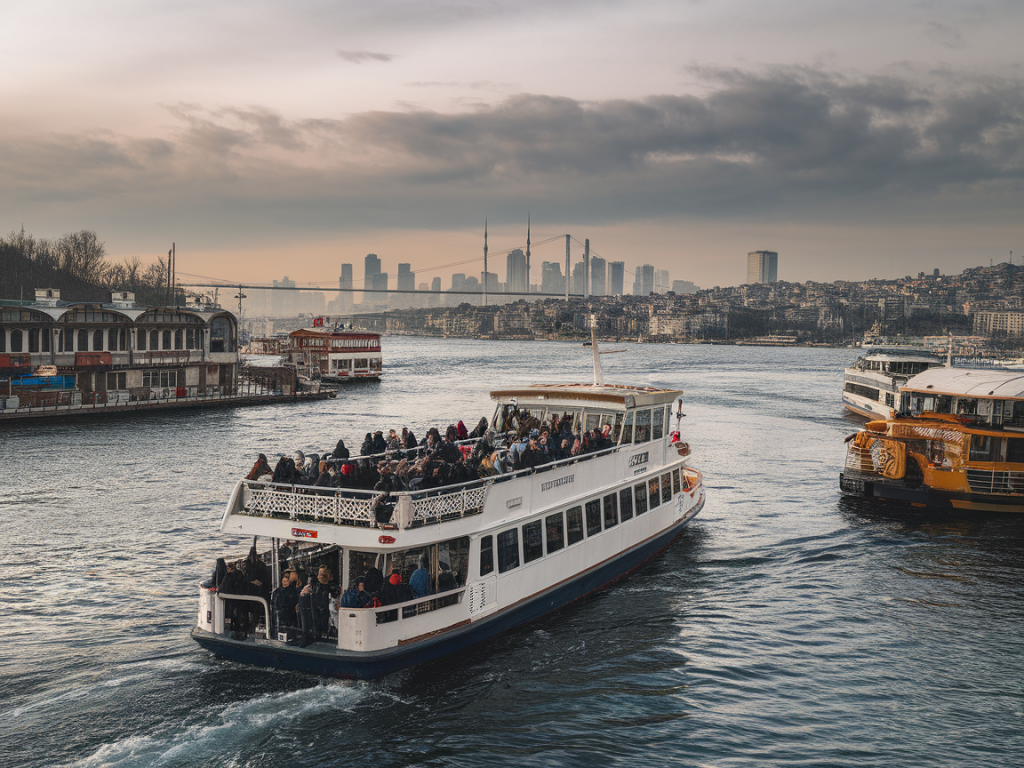
I ride Istanbul’s ferries the way I scout a neighborhood: with a loose plan, a hunger for street food, and an eye for where the light falls on stone and water. Ferries here aren’t just transport—they’re a vantage point and a living room, a place where commuters, students, fishermen and street vendors share the same short journey. If you want to discover the city’s hidden waterfront neighborhoods, adopting the commuter mindset will open doors that a Bosphorus sightseeing cruise never will.
Why ride like a commuter?
When you treat ferries as public transport rather than a tourist attraction, you get off at small stops, follow morning routines, and land in neighborhoods that still feel local. You’ll watch tea-drinking routines at small piers, smell fresh simit coasting on the breeze, and find cafés that haven’t made it into guidebooks. I prefer this approach because it’s slower and messier—and that’s where the best stories are.
Practicalities: tickets, timing and where to stand
The key to moving like a local is the Istanbulkart. Buy one at any major ferry terminal, convenience store (BİM, Migros often have top-up machines nearby) or vending kiosk. It’s rechargeable and valid on ferries, metros, trams and buses. One ride is cheaper than tourist boats and you can hop on and off all day.
Ferries run frequently on the main routes (every 15–30 minutes during the day) and less frequently for the smaller, scenic lines. Weekday mornings and evenings are commuter-heavy; mid-morning until early afternoon is perfect for wandering—still lively, fewer shoulder-to-shoulder crowds.
Where to stand for the best photos and sense of place:
Ferry types and routes to favor
Not all ferries are created equal. Regular commuter ferries stop at many small piers—this is what you want. Fast ferries and tour boats skip the small neighborhoods.
| Route | Why ride it | Neighborhoods to explore |
|---|---|---|
| Eminönü — Kadıköy | Main artery, frequent, lively | Karaköy, Eminönü, Kadıköy, Moda |
| Kabataş — Üsküdar | Short Bosphorus crossing, great for morning light | Beşiktaş, Üsküdar, Kuleli views |
| Bebek — Arnavutköy (via Beşiktaş) (via smaller lines) | Residential waterfront, yalis and cafés | Bebek, Arnavutköy, Rumeli Hisarı |
| Kadıköy — Yenikapı / Bakırköy | Longer ride along the southern shore | Kadıköy backstreets, Maltepe fringe |
Neighborhoods I hop off for
Here are my favorite stops for wandering and photographing—small pockets where the waterfront meets everyday life.
What to eat on the go
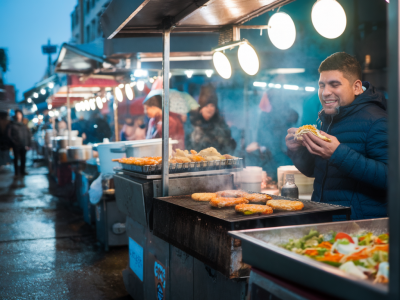
Commuter ferries are perfect for a portable meal. My go-to loop: buy a simit (sesame-covered bread ring) from a vendor at the pier, a piece of balik ekmek (grilled fish sandwich) if you’re near Eminönü, and a small paper cup of cay (tea) from the ferry vendor. These are inexpensive, quick, and deliciously local.
Photography notes
I shoot with a compact mirrorless camera and a 24-70mm equivalent for versatility. Ferries are windy and often crowded—use a wrist strap rather than a neck strap, keep lenses short, and be ready to tuck the camera away when the ferry docks (it can swing and jostle). For candid portraits, move to the edge of the crowd and wait—the same faces often reappear on the same routes each morning.
How to read the timetable (and what to avoid)
Look for "vapur" (ferry) timetables at docks or use the Trafi/Moovit apps. The municipal operator Şehir Hatları lists routes and stops online. Avoid fast ferries when you want small piers—those are for longer commutes and skip the neighborhood halts. Weekend afternoons can be busy with locals and tourists alike, so if you prefer quieter piers, go midweek or mid-morning.
Safety, etiquette and small ways to blend in
Ferries are safe but busy. Keep valuables close, and respect local routines: people board and take their places quickly; keep a small space for others. When taking photos, a polite smile goes a long way—most locals are fine with being photographed if you ask. Carry a small reusable bag for any trash—don’t leave wrappers on seats or the deck.
Riding Istanbul’s ferries like a commuter is a lesson in economy, patience and curiosity. You’ll arrive at modest piers, find cafés where locals have been drinking the same tea for decades, and walk streets that don’t make it into glossy guides. Take your time, order something from the nearest vendor, and let the city reveal its shoreline secrets one short crossing at a time.