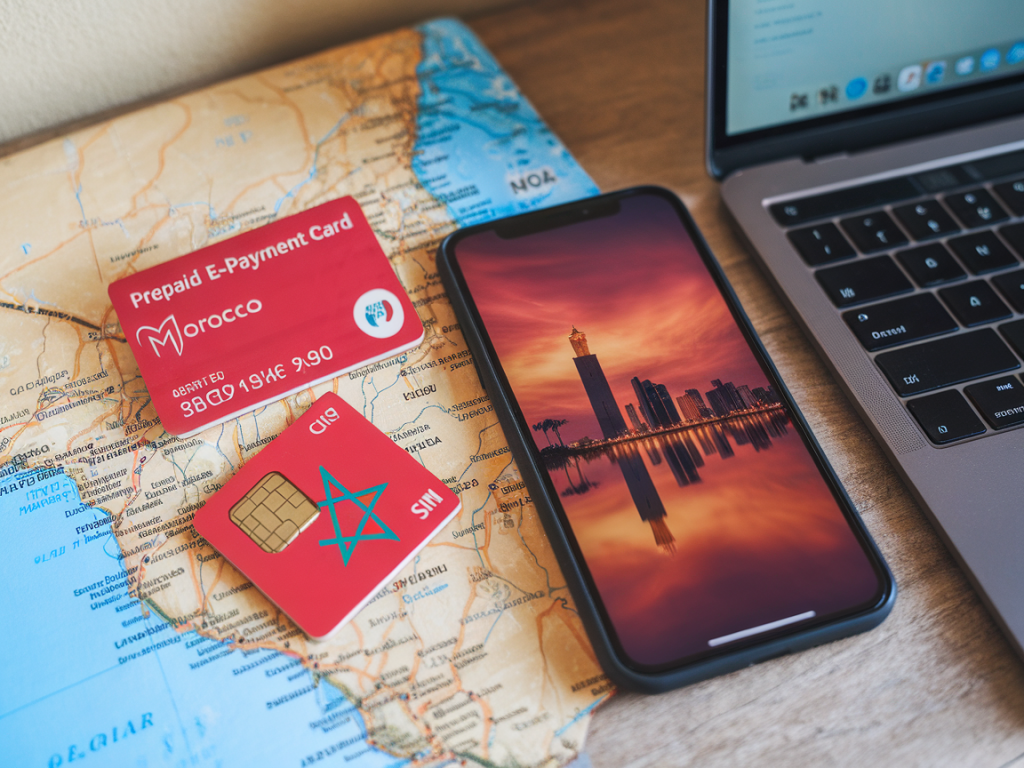
Arriving in Morocco, I treat my tech setup like a small travel ritual: buy a local SIM, top up enough data to stream a slow sunrise, and make sure I can pay for a tagine without fumbling through a pile of dirhams. Over the years I’ve learned that the right combination of SIM, cards and offline maps turns market haggling from stressful to smooth — and it keeps my photo walks uninterrupted. Below I share the practical combos I use, where I buy SIMs, and how I keep payments and maps working even in medina alleyways with spotty signal.
Mobile operators to know (short and practical)
There are three national carriers you’ll see everywhere: Maroc Telecom (IAM), Orange Morocco and Inwi. They all offer tourist SIMs, reasonably priced data bundles and decent coverage in cities. My rule of thumb:
I usually buy from official kiosks or brand shops (avoid street resellers). Expect to register with your passport — it’s quick and mandatory. Airport booths are convenient but slightly more expensive; if you land late, grab one there for immediate connectivity and swap to a city shop later for a better deal.
Which SIM plan to pick for travel
For a typical 7–10 day urban trip I aim for a plan that covers 10–30 GB and includes some local minutes (for hotels or contacting guides). Typical combos look like this:
Ask about tethering/hotspot policies if you plan to share data. I’ve never had problems using my phone as a hotspot, but it’s good to confirm at purchase.
e-payment reality check: what works in souks and what doesn’t
In tourist areas, hotels and most restaurants, cards (Visa/Mastercard) work fine via the national banking system (CMI). In practice, though, the heart of Moroccan markets — spice stalls, tiny food stands, street vendors — is still very much cash territory. Here’s how I balance things:
Mobile wallets are slowly appearing but aren’t ubiquitous. Apple Pay and Google Pay may work in places that accept contactless payments if your card is enabled, but don’t rely on them for market purchases. When in doubt, use cash.
Best payment combos I use in Morocco
I keep a multi-layered approach so I’m never stuck:
Why this combo? The local SIM gives me data for maps and to confirm payment acceptance; cash covers tiny purchases; fintech + bank cards cover larger expenses and ATM withdrawals without massive fees.
ATMs, withdrawals and sensible limits
Use bank-branded ATMs (Attijariwafa Bank, Banque Populaire, BMCE) rather than privately branded machines. I usually withdraw 1,000–2,000 MAD at a time to minimize fees and reduce trips to the ATM. Keep one emergency card somewhere separate from your wallet.
eSIM and dual-SIM options
If your phone supports eSIM, some operators provide eSIM tourist plans — nice if you don’t want a physical SIM swap. I still lean toward a physical SIM because Moroccan shops sometimes struggle with eSIM activation for visitors. If your phone is dual-SIM, keep your home number reachable on the secondary slot for a few days, then switch to full local usage once you’re settled.
Offline maps and navigation — my workflow
I can’t stress this enough: download maps before you go. My go-to setup:
When I enter a medina with unreliable signal, I switch to the downloaded map, set a visible waypoint (hotel pin) and use the compass — it’s surprisingly reliable if you calibrate the phone first.
Security and practical tips
With a local SIM, a bit of cash, a reliable fintech card and offline maps ready, you can move through Moroccan markets and narrow alleys with confidence — more time for tasting, framing photos and listening to the city's rhythm instead of worrying about signal bars or whether that vendor takes cards.