I first learned to ride Mexico City’s pesero colectivos the way many locals do: by watching, jumping aboard and trusting that somewhere along the ride an old vendor or a shout from the driver would tell me where to get off. It’s a chaotic, charming system—part mini-bus, part neighborhood rumor mill—that delivers you to tiny stalls and markets you’d never find by looking at a standard tourist map. Over the years I’ve turned those noisy, crowded rides into a reliable method for reaching the best street-food pockets across the city. Here’s how I do it, step by step, with the practical bits you’ll want to know before you board.
What is a pesero colectivo?
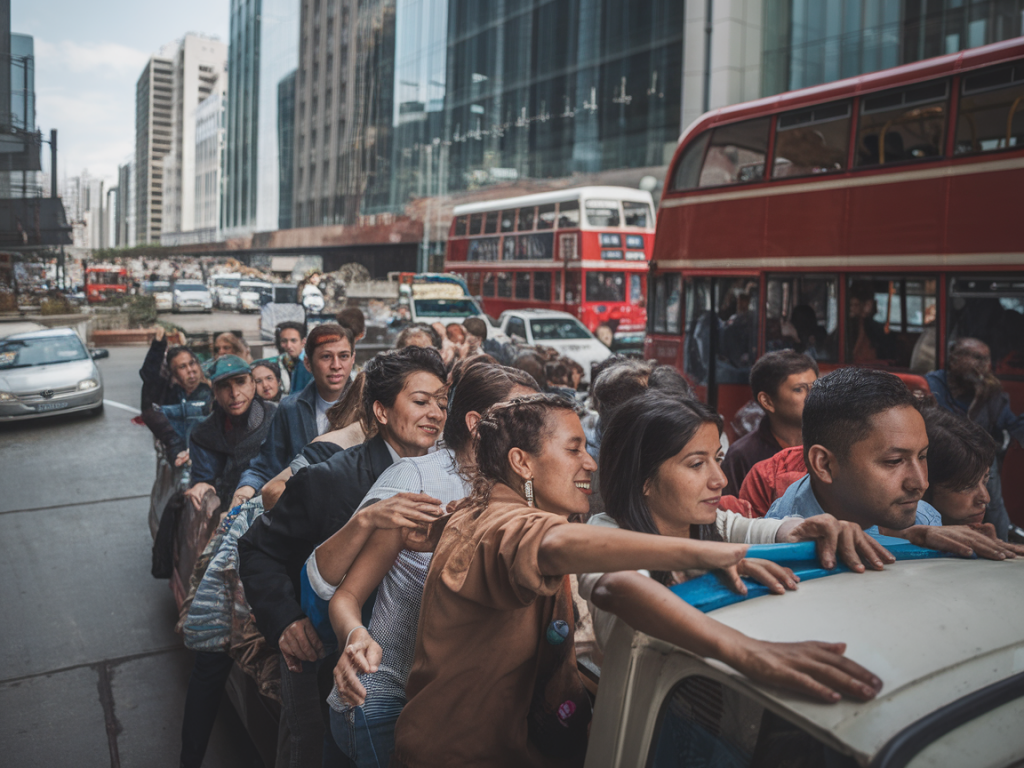
A pesero (short for “pesero colectivo”) is a shared minibus that runs on fixed routes across neighborhoods. They’re not official buses in the way the Metro or RTP is, but they’re regulated enough to have route signs and fare conventions. Peseros are everywhere—rapid, often cheaper than a taxi, and perfect for reaching markets, alley stalls and food clusters off the main avenues. Expect tight seating, loud radio, frequent stops and a living map in the driver’s head.
Why ride a pesero to reach street-food spots?
- I can get to small markets and alley vendors faster and cheaper than by taxi or by walking from a major station.
- Riding a pesero puts me in the middle of local life: I often spot morning cooks carrying fresh tamales, vendors with steaming pots, and people swapping recommendations out the door.
- They stop almost anywhere on request—perfect for getting off right in front of a stall you want to try.
How to find the right pesero
Start by asking locals where to go: shopkeepers, hostel staff, or market sellers. I also use Google Maps to identify the nearest major crossroads and then look at street-level photos to spot minibuses lining up. Many routes are marked on simple signboards in Spanish—common words to watch for are Centro, Market (mercado), neighborhood names (e.g., Coyoacán, Roma, Condesa) or major roads (e.g., Insurgentes).
When in doubt, snap a quick photo of your destination and show it to the driver or a conductor (conductor or ayudante). They usually know every stop along their line and will tell you if their route is the right one.
Fares, paying and boarding etiquette
Fares are cash-only and vary by distance and area; as of my last few trips small urban peseros often cost between 6 and 12 MXN, while longer colectivos might be 15–25 MXN. Have small bills and coins ready; drivers or ayudantes rarely make change for large notes. You’ll usually pay when you board or when the ayudante walks down the aisle.
- Board at the rear door unless the driver signals otherwise.
- Make room—locals are used to folding into tiny spaces, and you’ll be expected to slide down and make space for the next person.
- If you’re carrying a backpack, move it to your lap or place it at your feet to avoid blocking the aisle.
- To request a stop, call out "¡Baja, por favor!" or press the small buzzer if there is one. You can also say the neighborhood or market name and the driver will usually nod.
Safety and comfort tips
Peseros are safe in a low-risk, everyday way—most are used by commuters and market workers—but they can be pickpocket-prone because of the crowding. I take these precautions:
- Keep valuables in a front pocket or an inside zipped bag.
- Stand near the driver door if you’re worried about a quick exit.
- Avoid empty minibuses at night; opt for busy, well-lit lines or a short taxi ride if it’s late.
- If you’re photographing, keep the camera strap around your neck and bagged when not shooting; candid street shots are part of the experience but respect people’s space and ask if you want a close portrait.
How to use peseros to reach hidden food stalls
I plan my pesero trips like a photographer frames a shot: I look for the neighborhood’s food clusters—markets, street corners, plazas—and then backtrack the easiest pesero lines to get me there. Here’s my practical approach:
- Identify the market or alley I want to reach (e.g., Mercado de San Juan, La Merced’s outskirts, the taco cluster near Plaza Garibaldi).
- Find the nearest pesero routes that pass the market. Ask a shopkeeper for the route number or landmark; locals love giving directions to a good taquería.
- Board and watch the street signs and stops. Vendors often shout food names—listen for “tacos,” “garnachas,” “tamales.”
- Ask the driver or conductor to drop you at the vendor or entrance; they’ll often call out to you when you pass it.
Food etiquette once you arrive
Mexico City street-food culture is hospitable but has customs. I follow these simple rules:
- Find a standing spot at the taco stand or a small shared table—locals will usually motion to make space.
- Order simply: the best way to taste a stall is to ask “¿Qué me recomienda?” and start with two tacos or a single portion of whatever specialty they have.
- Use the salsas as instructed—if a vendor points to a green or red salsa, they’ll often suggest which topping matches which taco.
- Pay promptly and thank the vendor—"gracias" goes a long way in these tight-knit spots.
Useful phrases to use on a pesero and at food stalls
| Spanish | English |
|---|---|
| ¿Pasa por...? / ¿Va a...? | Does it pass by... / Are you going to...? |
| ¿Cuánto cuesta? | How much is it? |
| Quisiera dos tacos de pastor, por favor. | I’d like two tacos al pastor, please. |
| ¿Me baja aquí? / ¡Aquí, por favor! | Will you let me off here? / Here, please! |
| ¿Está picante? | Is it spicy? |
Examples of routes and the types of stalls they bring you to
Below are a couple of typical pairings I use. These are representative—routes change and local nicknames differ, so always double-check with a vendor or driver.
- Toel: Mercado de Coyoacán — Short pesero from Centro Coyoacán brings you to churro stands, esquites (corn cups) and small taco counters around the plaza.
- Toel: La Merced perimeter — Peseros that circle the market drop you at offshoot stalls with long quesillo (Oaxaca cheese) tortas and mole cafes.
- Toel: Tacuba/Buenavista edges — Routes heading from northern neighborhoods can drop you near hidden garnachero clusters where sopes and tlacoyos are made to order.
Riding peseros is part navigation, part social experiment, and entirely worth the minor discomforts. You’ll arrive at food you won’t find in guidebooks, meet people who live and eat those flavors daily, and learn routes that become shortcuts on future visits. If you’re planning a specific neighborhood, I’m happy to map a pesero-based food walk for you—send the neighborhood name and I’ll sketch a route, stops and photo tips on Acidadventure (https://www.acidadventure.com).