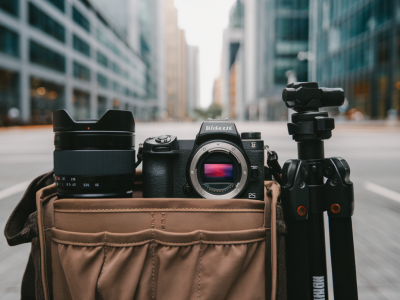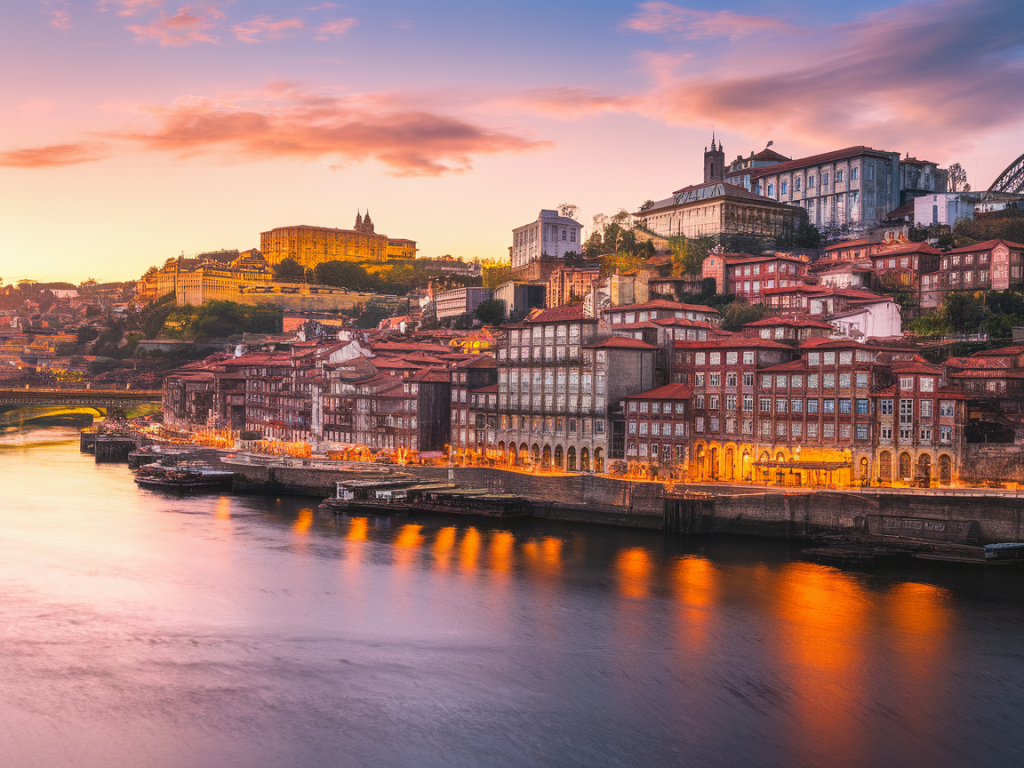
I wake before dawn in Porto because the city’s azulejo-clad facades have a way of changing their moods with the light — and I want to be there to photograph both. This one-day itinerary is built around two brief but magical windows: golden hour before sunset and blue hour after the sun dips. Between them I propose slow wandering, a few strategic stops for coffee and food, and a handful of lesser-known alleys where tiles surprise you. Bring a compact mirrorless camera or a small kit — I shoot with a lightweight setup that lets me move fast and keep my hands warm in the waterfront breeze.
When to go and what to bring
Porto’s light is best in late spring through early autumn when the evenings are long. For winter visits the same route works but arrive earlier in the afternoon for softer light and expect colder temperatures by the river.
Essentials:
Quick schedule (approximate)
| Time | Activity |
| Late afternoon (16:00–17:30) | Start in Cedofeita, exploring tiled alleys and cafés |
| 17:30–18:30 | Walk toward Historic Centre — Ribeira viewpoints |
| Golden hour (~18:45–19:15) | Capture waterfront façades from Cais da Ribeira and across the Douro |
| After sunset (~19:30–20:15) | Blue hour along Rua das Flores and small lanes |
| Evening (20:30 onward) | Night shots of illuminated tiles and late dinner |
Afternoon: warm-up in Cedofeita and Miguel Bombarda
I like to warm up among the slightly quieter streets of Cedofeita where tiled façades peek through residential fronts. Start with a coffee at a small roastery — my go-to is Moustache Coffee House — and scan building fronts for subtle tile patterns and weathered enamel signs. The light here is softer in the afternoon and you can practice framing without the crowds of the riverside.
Head south toward Rua Miguel Bombarda if contemporary tiles and gallery doors interest you. This neighborhood can surprise you with modern azulejo installations mixed into gallery exteriors. Keep your 50–85mm close for tight patterns, and try backlit shots where tiles glow from reflected light.
Late afternoon: walking toward the Historic Centre
From Cedofeita, make your way downhill toward the historic core. Walk through Praça de Carlos Alberto and along the University area; the streets funnel you toward the Clérigos tower, and that vertical silhouette makes a beautiful contrast to tiled surfaces. I watch for doors and shutters with hand-painted tiles — often the best stories are in the residential details: a chipped tile, a painted mailbox, a laundromat sign.
Golden hour: Cais da Ribeira and the riverfront
Golden hour in Porto is cinematic. I time my arrival at Cais da Ribeira about 30 minutes before sunset, so I can walk upstream and choose the best vantage point. Across the Douro, the light often hits façades at an angle that adds texture to the tiles and reveals the mortar lines. The classic shot is the parallel rows of colourful houses along the waterfront; use a 28–50mm for context and include some riverbank activity — fishermen, rabelo boats, or a couple on a bench — to tell a story.
Tips for golden hour:
Blue hour: intimate lanes and shopfronts
Once the sun slips away the blue hour is short and electric. I head inland toward Rua das Flores and the narrow lanes that feed off it. The city lamps come alive and shopfronts throw warm pools of light against cool sky. Blue hour is where tiles become cinematic: the warm tungsten of a bar doorway hitting a blue-tinted azulejo panel makes for moody, contrast-rich images.
Camera settings I use at blue hour:
Where to look for unique tiles (my favourites)
I’ve learned that the best tiles hide in plain sight: on small chapels, above bakery doors, or as house numbers. A few streets and spots I return to:
Practical tips for respectful shooting
Porto is lived-in, so I try to be discreet. When shooting near homes or small businesses:
Evening options and where to edit
If you want to review shots right away, I often choose a café or wine bar with good light and plugs — Café Progresso and many spots near Praça da Ribeira are accommodating. If editing on the go, Lightroom Mobile with a preset emulating warm golden tones and a slightly boosted clarity brings out tile texture. For more subtlety, keep highlights under control to preserve tile glazes.
This route is deliberately flexible: the point is not to tick off places but to let Porto’s tiles reveal themselves. I follow light, linger where a composition shows promise, and let an afternoon of wandering turn into an evening of blue-hour discoveries.