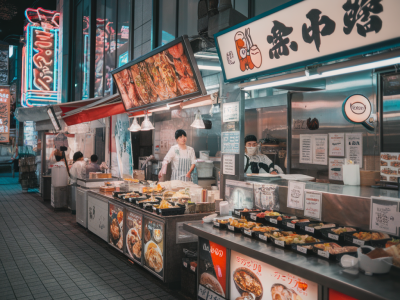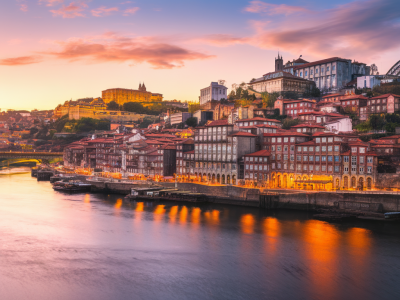
When I head out for a city photo walk with nothing bigger than my compact mirrorless camera, I’m thinking less like a gearhead and more like a city wanderer: what will let me move fast, stay light, and notice small details without missing the light? Over the years I’ve learned to pack not for “everything that could happen” but for the rhythms of urban exploration — sudden markets, rooftop light, wet cobbles, and a good slice of street food in between.
My compact camera philosophy
I shoot with a compact mirrorless (think Fujifilm X-S10, Sony a6400 or Canon EOS M50-class bodies) because it forces me to pay attention to framing, light and moment rather than gear. The camera fits in a small shoulder bag or crossbody, and that mobility shapes the kind of images I make: candid street moments, close-up textures, wide alleys at golden hour. When packing, I prioritize versatility, weather protection, and the tiniest comforts that keep me shooting longer.
What I always bring in my bag
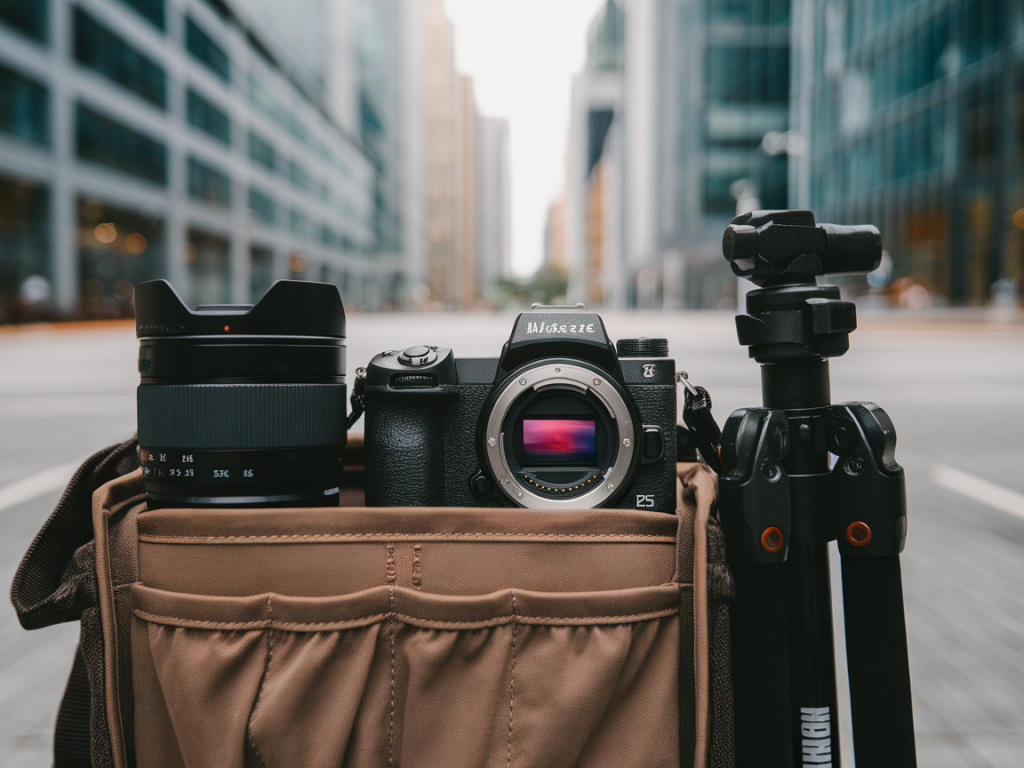
- Compact mirrorless camera body — battery charged and a basic strap. I prefer a simple strap that can be tucked away so it won’t snag in crowds.
- One versatile lens — for me that’s a 23mm / 35mm equivalent (e.g., Fujifilm 23mm f/2, Sony 35mm f/1.8). It handles environmental portraits, street scenes and low light without weighing me down.
- Spare battery — mirrorless cameras drink power. I keep one charged spare in a small neoprene pouch.
- 2 small SD cards — I like to rotate cards mid-walk. A 64GB or 128GB card (UHS-I) is perfect; I avoid tiny cards without cases.
- Lens cleaning kit — a microfibre cloth and a rocket blower. Street dust and rain droplets are inevitable.
- Lightweight rain cover — either a camera-specific rain sleeve or a cheap waterproof shell. Sudden showers in cities happen.
- Small tripod or tabletop gorillapod — collapsible, for low light exposures or self-portraits. I carry a MeFoto Backpacker or a JOBY Micro if I expect dusk light.
- Compact reflector / diffuser — a 30cm disc for portraits when I meet a local vendor or want to soften harsh noon light. Collapsible and fits flat.
- Phone with a travel SIM or offline maps — for navigation, quick edits, and backup shots. I sync my photos to cloud when I have signal.
- Wallet-sized cloth or small towel — good for wiping seats, drying a lens during mist, or using as a quick prop under food shots.
- Small notebook and pen — jotting down a stall name, a shop owner’s tip or a memory for captions later.
- Reusable water bottle and a snack — shoots last longer when you’re hydrated and not famished.
How I pack it (and why)
I use a padded crossbody bag with modular dividers (Lowepro, Peak Design Everyday Sling 6L, or a smaller Ona bag). The camera sits snug in the front pocket for quick access. Lens and battery pouches go in the main compartment. The tripod straps to the outside or bottom. I keep lens cloth and cards in a zipped inner pocket; losing an SD card in a city bag is a slow-motion disaster.
The goal is one-handed access to the camera. If I’m fiddling with straps or opening a large flap every block, I stop noticing the city. A compact bag also discourages overpacking. If I can’t physically carry an extra 50mm prime, I won’t bring it — and that limitation improves my creativity.
Gear alternatives and quick swaps
- No spare battery? Lower screen brightness, shoot in airplane mode, and keep a power bank for a quick charge.
- No tripod? Use steady surfaces — café tables, bollards, benches. A beanbag made from a small sock filled with rice can stabilize your camera for long exposures.
- Want more reach? A small 50–135mm equivalent zoom (e.g., 18–135 on some systems) can replace prime limitations if you want to stay light but flexible.
- Tough weather? Pack a plastic zip bag to protect electronics and a dry change of shirt if you’re stepping into wet markets.
Clothing and personal items that matter
Clothes aren’t gear, but they affect how you move and what you can carry. I wear comfortable shoes (sneakers with good grip), a lightweight jacket with pockets, and a scarf that doubles as a diffuser or a quick head cover when shooting in bright markets.
- Crossbody bag or money belt — pickpockets exist; I keep money and passport copies in a hidden pocket.
- Cash in small bills — many street vendors prefer cash.
- Hand sanitizer and masks — useful in busy transit hubs.
Quick checklist table
| Camera | Body + basic strap |
| Lens | 23mm/35mm equiv or compact zoom |
| Power | Charged battery + spare, power bank |
| Storage | 2 SD cards (64–128GB) |
| Protection | Rain cover, zip bags |
| Cleaning | Microfibre cloth, blower |
| Support | Small tripod / gorillapod |
| Extras | Notebook, snacks, water |
Shooting tips for compact setups
With limited gear you can still make strong photos. I think in three rules:
- Move your feet — get closer, change angle, look for reflections or frames within frames.
- Use available light — golden hour is obvious, but umbrellas and neon signs create interesting mixed light late at night. Expose for skin or the highlight you want to keep; let shadows become mood.
- Talk to people — a quick smile and one line in the local language opens doors. I’ve been invited into kitchens and on rooftops because I asked to take a photo, not because I had a massive camera.
On editing and backups during the walk
I do a few quick edits on my phone to post a story, but I keep serious editing for later. If I’m on a long walk, I back up photos to a portable SSD or sync to cloud when I find Wi‑Fi. Shoot RAW when you can — compact mirrorless RAW files give you flexibility with shadow and highlight recovery that phone files lack.
Pack light, stay curious, and let the city lead you. A compact mirrorless setup doesn’t limit the stories you can tell — it invites you to notice details, be nimble, and photograph with intention.