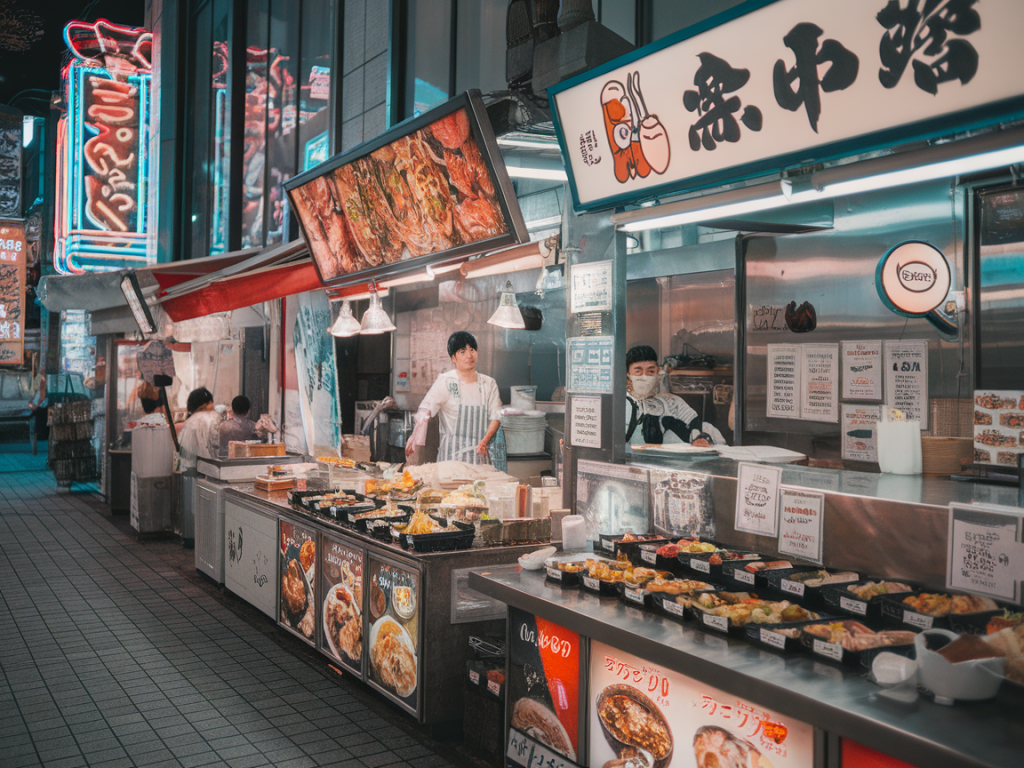
Walking into a Tokyo depachika—the basement food hall of a department store—is like stepping into an edible cathedral. The lights are bright, displays immaculate, and the air hums with the polite choreography of shoppers sampling, comparing and carrying away gifts. Over years of wandering these subterranean markets, I’ve learned how to shop smart: what to buy, when to go, how to taste without offending, and most importantly, how to avoid the tourist traps that turn a brilliant experience into a glossy postcard moment.
The depachika vibe: what to expect
Depachika are not casual grocery stores. These are curated showcases: seasonal sweets, artisan bento, delicate sashimi, fermented bottles, and counters with chefs assembling made-to-order treats. Popular department stores with notable depachika include Isetan Shinjuku, Takashimaya, Mitsukoshi, and Seibu. Each has its personality—some skew traditional, others modern and experimental—but all demand attention to etiquette: sample politely, avoid leaning on counters, and use provided chopsticks or toothpicks for tasting.
What I always buy (and why)
Here are the staples I buy every time, with notes on how to choose the best version and what to watch out for.
- Bento (boxed meals) — Fresh, beautifully packed, and perfect for a picnic. Look for bento made the same day (labels usually indicate 'made today' / 本日製造). Avoid ones with long lists of additives if you plan to eat later.
- Onigiri — Rice balls with fillings like umeboshi, salmon, kombu. I prefer ones wrapped in nori separately so it stays crisp. Perfect for a quick, cheap, and authentic snack.
- Fresh sashimi or sushi counters — If you buy here, check for refrigerated displays and ask for a wasabi packet. Eat within a few hours. Helpful tip: counters near the back usually replenish fresher stock than the flashy front stalls.
- Wagashi (traditional sweets) — Seasonal, delicate, often made by long-established shops. They make beautiful gifts and photograph wonderfully—look for shops that still use wooden molds and natural colorings.
- Specialty pickles (tsukemono) — From crunchy takuan to umeboshi, these pack well and last. They’re small, intensely flavorful, and an instant way to bring a Japanese breakfast to your rental kitchen.
- Artisanal soy sauce, miso, and vinegar — Small-batch bottles are worth it; they make simple dishes sing when you’re back home. Read origin labels: regional producers often have unique profiles.
- Pre-packaged snacks — Senbei (rice crackers), matcha cookies, and karinto (sweet fried dough). Pick varieties with small ingredient lists for the purest taste.
- Handmade chocolates and pralines — Many depachika now host pop-ups by Japanese chocolatiers who blend European technique with local ingredients like yuzu or black sesame.
How to avoid tourist traps
Depachika attract everyone from bargain hunters to honeymooners. Tourist traps here don’t involve fake products so much as misdirected choices that leave you with a great Instagram photo and a bland wallet. My rules:
- Skip the flashy, overpriced souvenir sets—these are designed for visitors. Instead, choose single-origin items (a jar of miso, a pack of senbei) that you’ll actually eat.
- Avoid the busiest counters at peak times—midday and early evening get packed. If a shop has a line, notice who’s in it: locals? Then it’s usually a good sign. Tour groups often target the most photogenic stalls first, not the most authentic.
- Watch for pre-packaged 'international-friendly' signs—items labeled in English exclusively and sold only in large gift packs are often priced for tourists.
- Don’t be coaxed into buying samples that aren't free—some counters have tastings that are clearly complimentary; others will wrap a tiny portion and list a price. Always check before you accept.
- Read labels and ask questions—use simple phrases like "Is this made today?" (今日作りましたか?) or "Does this contain alcohol?" if you’re buying snacks for kids or for the flight home.
Best times and tactics for shopping
I love arriving right when depachika open (often 10:00–10:30). The displays are freshest, the crowds minimal, and staff are more willing to chat—perfect for learning about seasonal items. Late afternoons can be magical too: many vendors discount perishable items for same-day sale, letting you score high-quality sushi or prepared meals at a fraction of the price.
How to sample without offending
Sampling in Japan is done with a lot of courtesy. If a vendor offers a bite, accept with both hands, say “arigatou” and eat quietly. Use the toothpicks or small plates they provide. Never take a whole product out of a display just to taste; ask, and they will gladly plate a sample.
Packaging and carrying home
Depachika presentation is half the joy. Boxes are often beautiful, made for gifts. If you’re buying perishables for the flight, ask for ice packs and explain your departure time; staff are used to packaging dinners-to-go for travelers. For liquid souvenirs like soy sauce, wrap in bubble wrap and put in carry-on if possible.
Practical table: recommended buys, price range, and storage
| Item | Typical price | Storage/notes |
|---|---|---|
| Bento | ¥800–¥2,500 | Eat same day; refrigerate briefly if needed |
| Wagashi | ¥300–¥1,500 | Short shelf life (1–5 days); great as gifts |
| Artisanal soy/miso | ¥700–¥2,500 | Keep refrigerated after opening; lasts weeks-months |
| Pickles (tsukemono) | ¥400–¥1,200 | Good shelf life; refrigerate |
| Sashimi/sushi | ¥1,200–¥4,000+ | Eat same day; ask for ice pack for travel |
Brands and shops I trust
I have favorites I revisit: Nakamura Tokichi for matcha sweets, Ishiguro for pickles, and Ginza Kyubey pop-ups for sushi sampling. Also watch for regional stalls—Hokkaido dairy products, Kyushu soy, or Okinawa sweets—these are delicious ways to taste Japan’s diversity without leaving the city.
Photo tips for depachika
Depachika are a photographer’s dream: glossy packaging, neat rows, and warm light. I prefer a compact mirrorless camera with a 35mm equivalent lens to capture tight still lifes and candid shoppers. Respect privacy—ask before photographing staff close-up, and avoid disrupting queues just for a shot.
Above all, let your appetite be curious. Buy a small variety, taste slowly, and let the depachika guide you through Japan’s seasons and regional flavors—quietly, carefully, and with real delight.