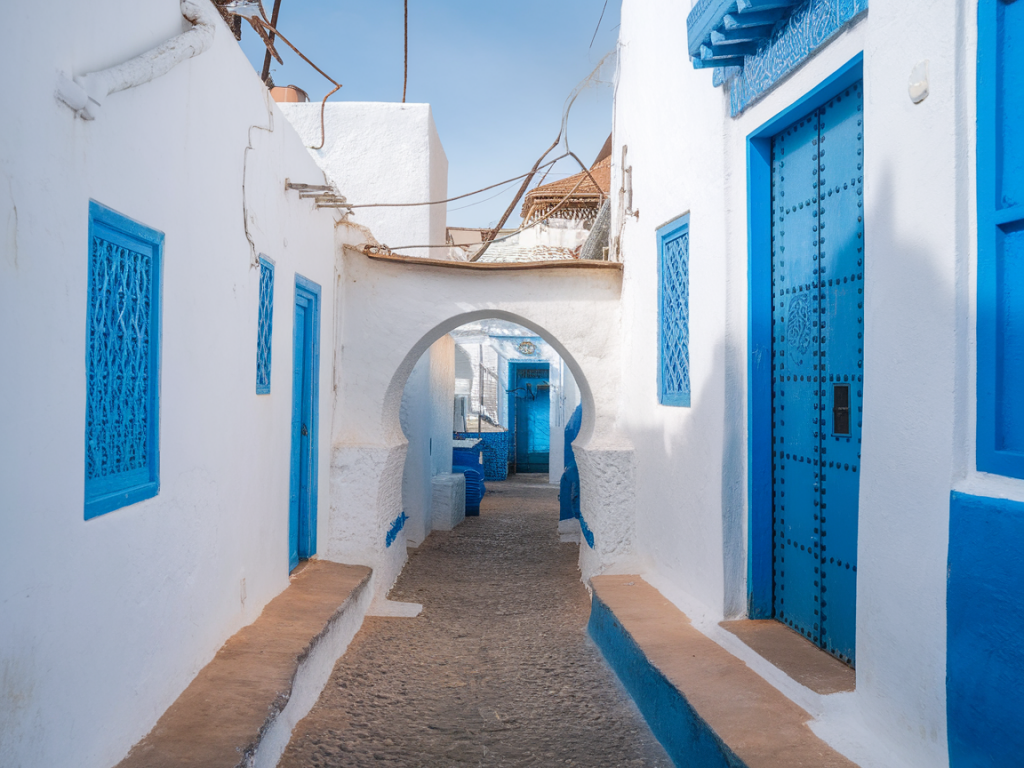
I love wandering Casablanca’s old medina without a guide. There’s a particular pleasure in letting your senses stitch together the city: the first whiff of frying oil from a tucked-away stall, the scrape of sandals on uneven stone, a chorus of bargaining voices, the sudden flash of cobalt tile behind a wooden door. If you want to plan a sensory walking route through the medina — one that’s safe, manageable and full of texture — here’s how I do it, step by step, with practical tips so you can roam confidently on your own.
Why plan a sensory route rather than follow a map
A map gives you coordinates; a sensory route gives you context. I design routes that prioritize sounds, smells and tactile encounters over simply ticking off landmarks. That means choosing streets and times where markets hum, where bakeries puff steam, where artisans still hammer copper. The result is a walk that feels like a small narrative instead of a checklist.
When to go and how long to plan
Timing matters in Casablanca. The medina wakes slowly: mornings are for bread and markets, late afternoons bring more social life, and evenings are when lamps and neon make textures sing.
- Morning (8:00–11:00): Best for bakeries, fish sellers and morning markets. Cooler temperatures and more activity in food stalls.
- Late afternoon (16:00–19:00): Ideal for light that reveals texture — wet cobbles glow, neon signs flicker on, people gather at tea shops.
- Length: I aim for 2–3 hours of wandering. Any longer and you’ll start missing sensory details because your brain tires.
| Start | Best time | Why |
|---|---|---|
| Near the central gate | 8:30 | Access to bakeries and the fish market |
| Market alleys | 9:00–10:30 | Peak sensory activity |
| Tea shop or rooftop | 17:00–18:30 | Golden hour + social life |
What to bring (sensory essentials)
Pack light but intentionally.
- Compact mirrorless camera or smartphone: I use a small Fujifilm mirrorless — it’s discreet and great in low light.
- Comfortable shoes: Cobblestones and tight alleys demand stable soles.
- Reusable water bottle: Keep hydrated; I refill at cafés.
- Small notebook or voice memos: For recording smells, phrases and fleeting details.
- Cash in small notes: For small food purchases and tips.
- Light scarf: Useful for shade, modesty or shielding a camera lens from dust.
How I pick the route — sensory waypoints
I design a route around a few sensory waypoints — places chosen for smell, sound, touch or visual texture rather than fame. A typical loop might include:
- Bakery alley: Start where the scent of fresh msemen and khobz hangs thick. Stand, watch bakers fold dough, and order something to eat standing at a counter. Note the cadence of hands and heat of the oven.
- Spice lane: A tight alley where spice sacks form a skyline. Close your eyes and inhale cumin, ras el hanout, and dried rose petals. Ask a vendor to crush a small sample in your palm — the oils tell you more than the label.
- Fish market edge: Not for everyone, but essential if you love texture and honest smells. I linger at the outer stalls where the sight and sound of fishmongers trimming and shouting set a rhythm.
- Leather or metal workshop cluster: Pay attention to hammer strikes and the metallic tang in the air. Touch — only when invited — to appreciate the warmth of slightly oiled leather or the coolness of shaped brass.
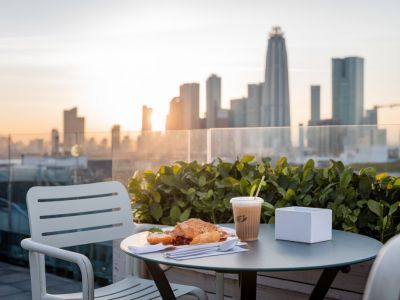
- Rooftop pause: End on a rooftop café or terrace where the city breathes out. The soundscape changes: you’ll hear distant traffic, call to prayer, and people settling in for tea.
Reading the crowd and staying safe
Casablanca’s medina is lively, not hostile. Still, I use simple crowd-sense practices:
- Keep valuables discreet: Use a zipped crossbody bag and keep your camera strap short.
- Follow the flow: Walk with, not against, the main streams of people in tight alleys.
- Be polite and firm: If you don’t want help or a guided offer, smile and say “La, shukran” (no thanks). Most vendors accept polite refusal.
- Note exits: In narrow lanes, be aware of where you can step aside or exit quickly.
Interactions and buying small things
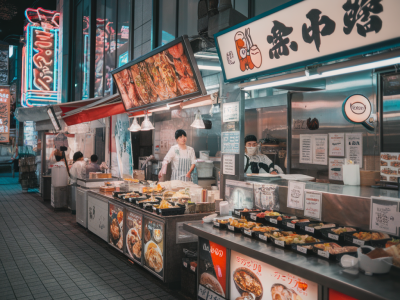
Markets are social places. I aim to trade more than goods: exchange a sentence, a smile, a question about how something is made. If you want to taste or photograph, ask first. A small purchase (tea, a pastry, a single spice sachet) goes a long way toward goodwill. Tip: ordering one coffee or a small plate is often a lower-stakes way to sit and listen to the neighborhood’s rhythm.
Photographing the medina — light and composition tips
I prefer texture-driven images: hands at work, steam, tiles, and narrow strips of sky. Some practical tips I use:
- Shoot at golden hour: Late afternoon light slants across surfaces and deepens colors.
- Use a wide aperture: For isolating details in busy alleys.
- Include human elements: Hands, feet, or backs tell the story more than posed faces.
- Be discreet: Silent shutter mode or a small camera invites less attention than a large DSLR.
A sample 2.5-hour sensory loop
Below is a simple walk I’ve used repeatedly. It’s flexible — swap in or out stalls and alleys depending on what you find.
- Start at the western gate just after breakfast: follow the smell of bread to a bakery alley; order msemen and stand to watch.
- Wander toward the spice lane and spend 10–15 minutes inhaling and comparing aromas; buy a small soap or spice packet.
- Detour to the edge of the fish market for sound and texture. Don’t linger if the smell bothers you — just take notes and photos from the perimeter.
- Explore metal and leather workshops. If a craftsman invites you to see closer, accept — these are excellent chances for candid portraits.
- Finish at a rooftop tea shop before sunset. Sit with mint tea, record a few voice notes, and watch light change the medina’s colors.
Practical navigation tools I use
I combine digital and analog: a downloaded offline map (Google Maps or Maps.me) for rough orientation, and the medina’s intuitive landmarks — a blue-tiled fountain, a mosques’ minaret, or a large bakery oven — for micro-navigation. I also keep my phone battery topped up; a little power gives you peace of mind and the ability to take photos without stressing.
Walks like this are about slowing down. Plan, but leave room for the unexpected: a child offering a taste of orange, a sudden rain that brings out the scent of wet stone, or a vendor who wants to show how they dye leather. These are the moments that turn a route into a memory — and that’s the real point of a sensory walk through Casablanca’s old medina.