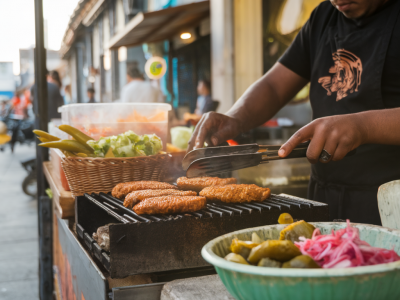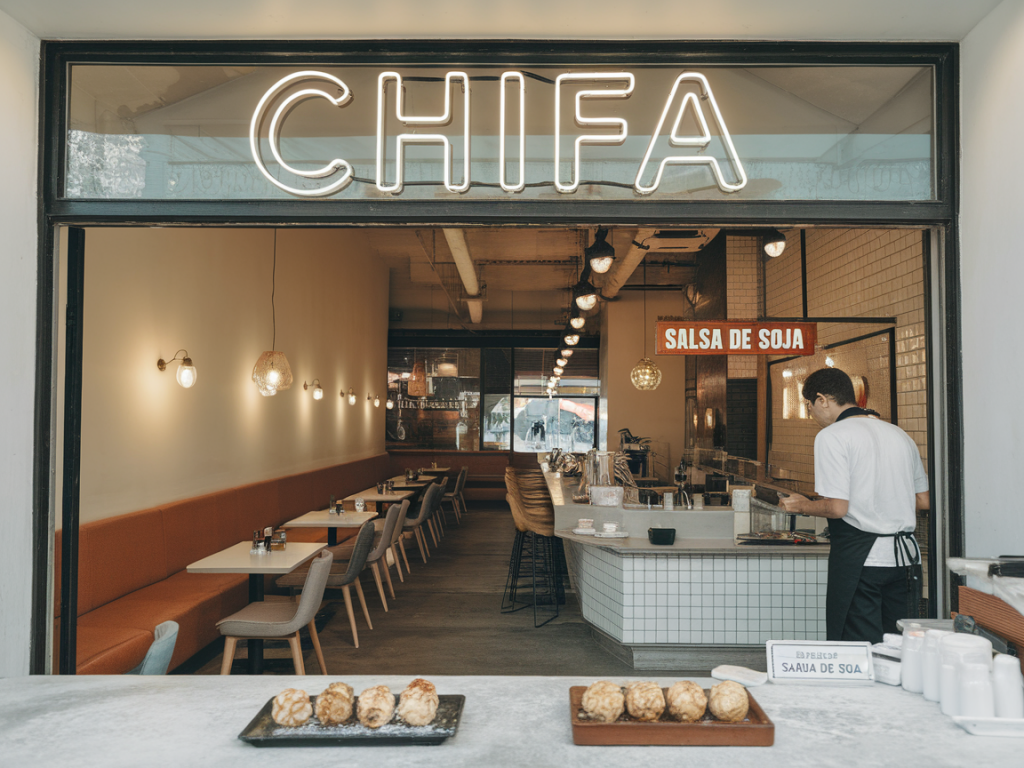
I have a soft spot for kitchens that blur borders, and Lima’s chifa scene does that in a way few other food traditions can: it’s Chinese technique filtered through Peruvian ingredients, cooked fast and loud over a blistering wok. I spend hours wandering markets and back alleys to find the chifas that feel lived-in — pork fat sizzling, steam clouding the doorways, regulars who order without looking at the menu. If you want to find authentic chifa in Lima and order like a local, here’s what I’ve learned on those alleyway reconnaissance walks and crowded communal tables.
Where to look: neighborhoods and landmarks
Not all chifas are equal, and geography matters. In Lima you’ll find everything from flashy, neon-lit banquet halls to tiny, family-run spots that seat twenty. I gravitate to places where the wok is constantly moving and the clientele is mixed — students, market vendors, office workers. Start your search in these areas:
Barrio Chino (downtown / Jirón Capón) — the historic Chinatown near Paseo Chabuca Granda and Jirón Ucayali is a great starting point. You’ll find classic chifas that have been around for decades. Look for places with a steady stream of people and a visible kitchen.Surquillo and Miraflores markets — the markets around Surquillo and near Miraflores are feeders for many chifas. Vendors sell fresh produce and seafood that immediately show up on chifa menus.La Victoria and Breña — working-class neighborhoods with robust, no-frills chifas where portions are generous and prices are friendly.Polvos Azules / central neighborhoods — you’ll find busy lunchtime chifas that cater to shoppers and office crowds; these are great for authentic, everyday dishes.Signs of an authentic chifa
Here are the cues I look for when deciding whether to go in:
Wok smoke and loud sizzling — if you can see or smell the wok from the street, that’s a good sign. Chifa relies on high heat and speed.Mixed menus — an authentic chifa menu blends Chinese classics (wantán, chow mein) with Peruvian twists (arroz chaufa with pork belly, saltado with aji amarillo). If the menu reads like two cuisines married, you’re in the right place.Regulars and group tables — chifas are communal. If the room is full of regulars ordering the same platters, it’s a good indicator of authenticity.Old-school feel — tiled floors, laminated menus, and handwritten daily specials often mean the place has been feeding locals for years.What to order — dishes I always come back for
I recommend ordering for sharing so you can taste a few things. These are the dishes that, in my experience, best showcase the chifa spirit:
Arroz chaufa — Peruvian-style fried rice with soy, green onions, and your choice of chicken, pork, beef, or seafood. It’s the simplest litmus test: a good chaufa has depth from soy and toasted rice flavor from the wok.Tallarín saltado — stir-fried noodles with vegetables, sometimes finished with a splash of vinegar or soy; think lomo saltado but with noodles.Wantán frito — crunchy fried dumplings, often filled with seasoned pork; great as a starter or to munch while you wait.Pollo chijaukay or pollo con verduras — Chinese-style chicken often cooked with garlic and light sauce; a safe, reliable choice that reveals wok technique.Chaufa de mariscos — seafood fried rice when you want something briny and bright; look for a fresh-seafood market nearby as a clue to the quality of the dish.Sopa wantán — wonton soup for cooler evenings or as a comforting opener.How to order like a local — language and etiquette
Ordering in a chifa is part ritual, part negotiation. Here are practical phrases and behaviors I use or overhear at busy chifa tables:
Start with a question: “¿Cuál es la especialidad de la casa?” — locals often ask this to see what the cook recommends that day.Order to share: “Un arroz chaufa para compartir, por favor” or “Dos platos para compartir”. Chifa portions are generous, so sharing is the norm.Ask about spice or heat: most chifas aren’t spicy unless you ask. If you want some heat, say “con ají” or ask for “salsa ají aparte” (aji sauce on the side).Request half portions: ask for “media porción” if you want to try multiple dishes without wasting food.Payment and tipping: cash is common, but many places accept cards in Miraflores and Centro. Tip around 10% if service is attentive; locals sometimes drop small bills on the table or leave coins.Table manners and local habits
Chifa dining is casual but communal. Here’s how to blend in without fuss:
Don’t expect chopsticks — most locals use fork and spoon, sometimes chopsticks for small plates. If you use chopsticks, it’s fine, but don’t stick them upright in rice (that's bad luck in many Asian cultures).Share plates — food will often arrive family-style. Help pass dishes and leave space for plates in the center.Be ready for noise and speed — woks clang, waiters shout orders, and dishes come quickly. This energy is part of the experience.Practical tips — timing, photography, and safety
A few field-tested tips that make chifa outings more rewarding:
Go early or after peak lunch (11:30–13:30) if you want a seat without waiting. Evening is lively, but the busiest tables fill fast.Bring cash for smaller, older chifas. Street-side and family-run places often prefer it.Ask to see the kitchen if you care about cleanliness — most places are proud of their wok stations and won’t mind you looking.Photography: get closeups of steam, oil-splattered woks, and charred bits of rice. Golden-hour light near a window is perfect; inside, a compact mirrorless camera or phone works fine. Ask permission before photographing people.My favorite little rituals
When I find a chifa I like, I develop small routines: ordering a bowl of sopa wantán to start, then a shared arroz chaufa and one vegetable dish — I always ask for extra green onions on top. I watch how the wok chef tosses ingredients and time my fork to catch the charred rice from the bottom of the bowl. I also always ask the owner about their story; chifas are often family recipes passed down and modified over generations, and those stories make the food taste even better.