I spend a lot of my evenings wandering Barcelona’s neighborhoods, following the low hum of local bars rather than the loud ones on tourist maps. Two hours is the perfect window for a neighborhood bar crawl: long enough to get a sense of place, short enough to keep it intimate and relaxed. Below I’ll walk you through how I plan and map a two-hour crawl that actual locals frequent — not the neon, tourist-packed strips, but the narrow streets where bartenders know their regulars and the vermut flows freely.
Choose the right neighborhood
Not every barrio suits a two-hour crawl. I look for areas with a high density of small bars, easy walkability and a mix of old-school taverns and newer tapas bars. In Barcelona, my favorites are Poble Sec for its mix of bodegas and tapas bars, Gràcia for its plazas and neighborhood feeling, and Sant Antoni for markets and vermuterias. Each offers a different vibe: Poble Sec feels gritty and authentic, Gràcia is village-like and conversational, Sant Antoni is food-forward and slightly more polished.
Set a realistic route
I map a crawl of four to six stops within a radius of about 500–800 metres so you’re walking, not traipsing across the city. For a two-hour slot I usually allocate:
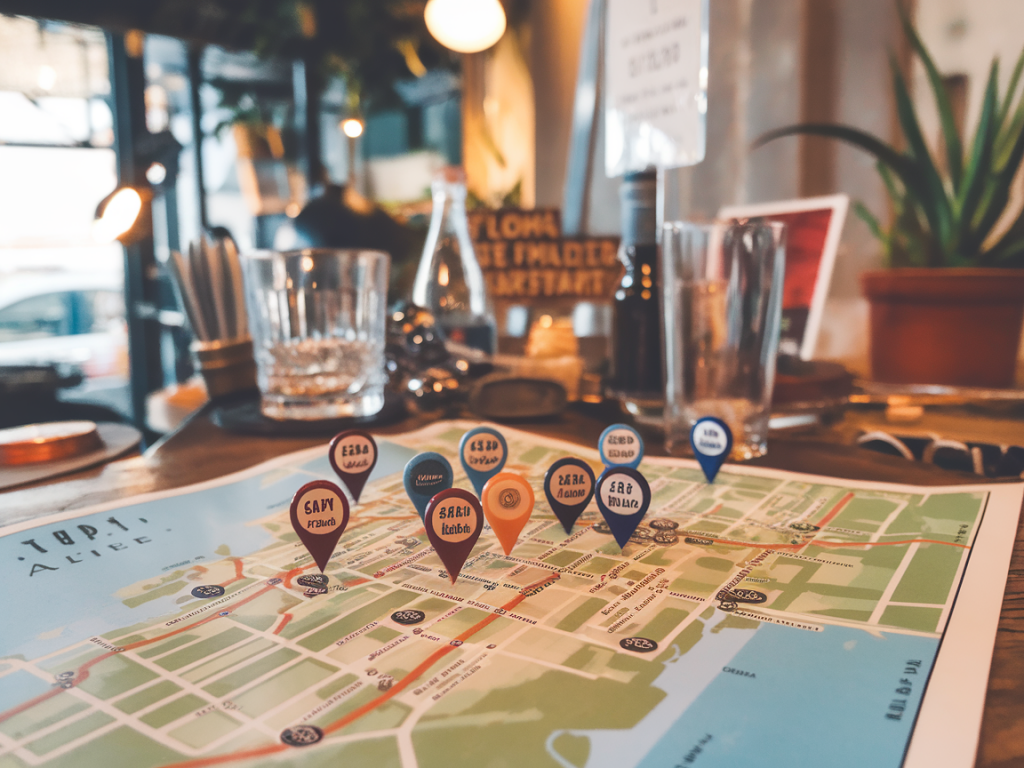
This pacing keeps things unhurried but purposeful. I always draw the route on a map (Google Maps or a small screenshot saved on my phone) and note entrances and public transport links. If you prefer paper, I print a tiny walking sketch — there’s something satisfying about tracing the way with a pen.
Pick bars locals actually go to
How do I know a place is local? A few signs: no English-only menus at the door, older regulars at the bar, a simple wine/beer list rather than a long cocktail menu, and staff who greet newcomers like they’ve been there before. In Barcelona look for phrases like carta tucked inside and small plates listed as tapas, montaditos or raciones. I avoid places with a row of chairs full of tourists taking selfies.
When in doubt I ask a shopkeeper, baker or the person at the nearest market stall. Locals will point you to a beloved vermuteria or a tucked-away bar where the olives are house-cured. I also check recent local blogs, Instagram posts geotagged in the area, and community forums — but I balance digital tips with in-person recommendations.
What to order — simple, authentic choices
Part of the crawl’s charm is trying small things that tell you a lot about a place. My go-to orders:
Portion sizes vary: if you want to try more places, order one small plate per person and share. That keeps the crawl moving and concentrations of food manageable.
Behavior and etiquette
Act like you belong — not in a fake way, but by respecting the local rhythm. In Barcelona that means:
Being curious and polite gets you farther than flashy behavior. Ask questions about the menu, compliment a dish, or ask where the olives are from — people often respond with stories or a free sample.
Mapping tools and practical tips
For a crawl I use a combination of:
Practical bits I always plan: nearest metro stop to start and finish, a backup bar in case a place is closed, and low-light photography settings if I plan to shoot. I usually carry a compact mirrorless camera (my go-to), a small prime lens and a spare battery. Golden hour matters less for bars, but neon, low light and wet streets photograph beautifully if you’re out after rain.
Accessibility and safety
Many traditional bars have tight entrances and bar counters; if you or someone in your group needs step-free access, call ahead. Barcelona’s core neighborhoods are well-served by public transport; I plan my finish so it’s a short walk back to a metro or bus. Keep an eye on belongings in busier areas and avoid showing large amounts of cash. Barcelona is safe overall, but pickpocketing can happen in crowded spots.
How to keep it local and sustainable
I try to support bars that source locally and treat their staff well. Buy an extra tapa or a bottle of water from a small grocer if you can. Avoid overloading a single small bar with a large group — split into pairs and rotate. If you take photos, ask before photographing someone up close; many locals are fine being in the background but appreciate a polite nod.
Sample two-hour crawl — Sant Antoni (for reference)
| Start: | Espai Granados (or nearby metro) |
| Stop 1 (15 min): | Classic vermuteria — vermut and olives |
| Stop 2 (25 min): | Market-side tapas bar — patatas bravas and montaditos |
| Stop 3 (25 min): | Modern tavern — house red and a shared ración |
| Stop 4 (20 min): | Standing pintxos counter — try the anchovies or grilled prawns |
| Finish (15 min): | Quiet café or cocktail bar for a digestif |
Two hours of walking, tasting and talking gives you a snapshot that’s both sensory and social. It’s how I prefer to learn a neighborhood: through its glassware, its playlist, a bartender’s habit, and the way neighbors nod to one another at closing time. If you want, I can sketch a printable two-hour route for a specific neighborhood in Barcelona — tell me which barrio and I’ll draft a map and list of local stops that match the mood you’re after.